600 West 23rd St S, Independence, MO 64055

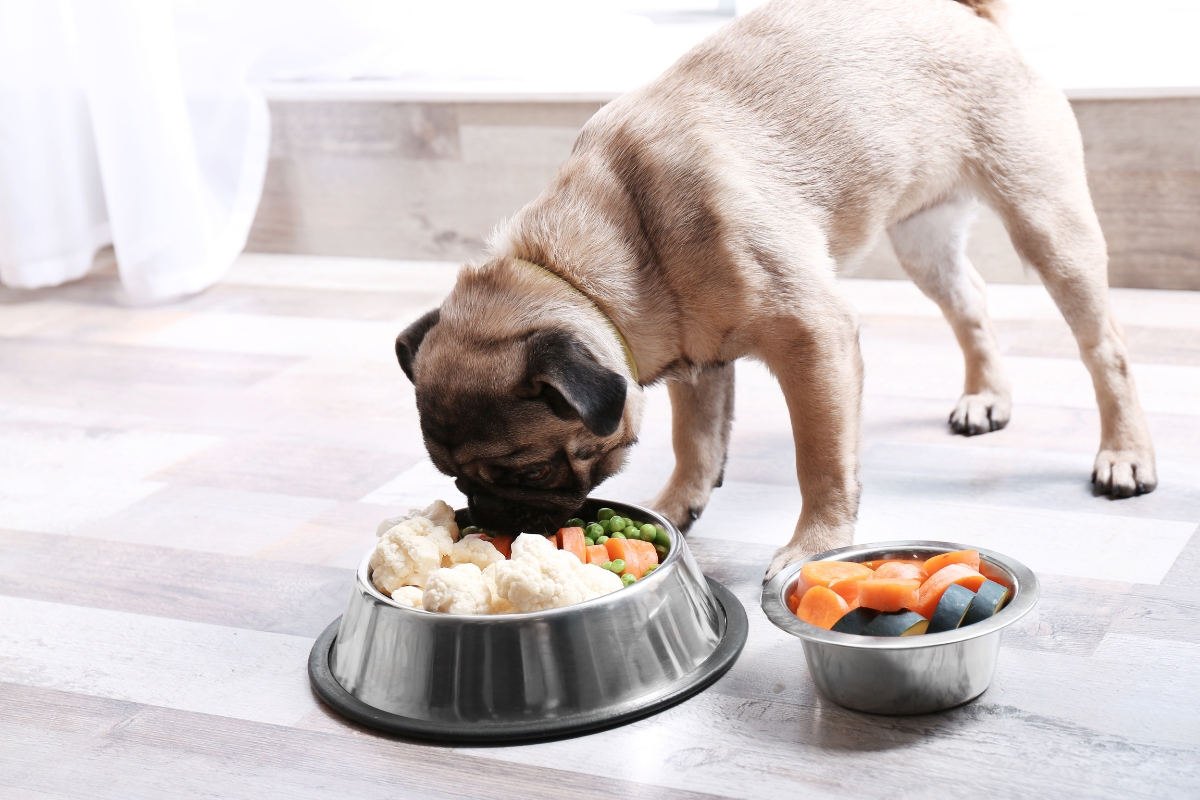
A pet’s nutritional needs change as the body grows, matures, and ages. Puppies and kittens need nutrient-rich food to support rapid development, while adult dogs and cats need balanced nutrition to maintain healthy weight, muscle, and energy. Later in life, senior pets may need dietary adjustments based on changes in activity, metabolism, muscle condition, and overall health.
Changing your pet’s food should not be based on age alone. Breed, size, species, activity level, body condition, lifestyle, and health history all influence nutritional requirements. Regular visits to an animal hospital can also help identify changes in weight, appetite, or health that may affect your pet’s diet.
Why Pet Nutrition Changes With Age
Every life stage has different nutritional priorities. Growing pets require sufficient calories, protein, fats, vitamins, and minerals to support healthy development. Adult pets generally need a maintenance diet that provides adequate nutrition without unnecessary calories.
As pets age, their metabolism and activity level may change. Some senior pets become less active and require fewer calories, while others may lose muscle or have difficulty maintaining a healthy weight.
Therefore, the goal is not simply to feed a “senior” formula at a certain age. Instead, pet owners should consider the individual animal’s nutritional and health needs.
Feeding Puppies and Kittens
Puppies and kittens experience rapid growth, making proper nutrition especially important.
Puppy Nutrition
Puppies generally need a complete and balanced diet formulated for growth. Their food should provide appropriate levels of protein, fat, calories, vitamins, and minerals.
Large-breed puppies require particular attention because excessive calorie intake or inappropriate nutrient levels can contribute to overly rapid growth. Choose a food designed specifically for large-breed puppy development when appropriate.
Portion control also matters. Feeding too much can contribute to excessive weight gain, while inadequate nutrition can interfere with healthy development.
Kitten Nutrition
Kittens also need nutrient-dense food designed for growth. Because cats have nutritional requirements that differ from dogs, kittens should receive a complete and balanced feline diet.
Fresh water should always be available. Wet kitten food can also contribute to overall fluid intake.
As kittens mature, their nutritional needs gradually shift toward adult maintenance.
Adjusting Nutrition During Adulthood
Adult pets typically require fewer calories per pound than growing animals. However, their needs can vary considerably.
For example, a highly active dog may need more calories than a sedentary dog of the same size. An indoor cat may also have different energy requirements from a cat with a highly active lifestyle.
A suitable adult diet should help maintain:
- Healthy body weight
- Lean muscle
- Normal energy levels
- Healthy skin and coat
- Digestive health
- Overall wellness
Follow the food manufacturer’s feeding recommendations as a starting point, but do not assume the suggested amount is perfect for every pet. Monitor body condition and adjust portions when necessary with appropriate guidance.
Managing Treats and Extra Calories
Treats are part of many pets’ daily routines, but they can add significant calories. Too many treats may contribute to unwanted weight gain even when the primary diet is nutritionally balanced.
Choose treats appropriate for your pet and offer them in moderation. Table scraps should also be limited because some human foods are too fatty, salty, or otherwise unsuitable for pets.
If your pet receives frequent treats during training, account for those calories when considering the overall daily intake.
Nutrition for Senior Pets
The transition into the senior years varies by species, breed, size, and individual health. Some pets become less active as they age, while others remain energetic.
Older pets may experience changes in metabolism, muscle mass, appetite, digestion, and body condition. Consequently, their diet may need to change.
However, senior pets should not automatically receive fewer calories. A pet that is losing weight or muscle may need a different nutritional strategy rather than simply smaller portions.
Watch for Unexplained Weight Changes
Unexpected weight loss or gain should receive attention. Weight changes can sometimes be associated with dental disease, metabolic conditions, digestive problems, reduced activity, or other health concerns.
Monitor your senior pet’s:
- Body weight
- Appetite
- Muscle condition
- Activity level
- Stool quality
- Drinking habits
- Eating behavior
A sudden change should prompt a discussion with your veterinarian.
Should You Switch to Senior Pet Food?
Not every senior pet needs the same type of food. Some healthy older pets may continue doing well on an appropriate adult maintenance diet, while others may benefit from a diet formulated for specific nutritional or health needs.
For instance, a senior pet with an underlying medical condition may require a therapeutic diet rather than a standard senior formula.
Before changing your pet’s food, consider its body condition, activity, health history, and current diet. Professional nutritional guidance can help prevent unnecessary dietary changes.
How to Change Your Pet’s Food Safely
Once a new diet has been selected, transition gradually whenever possible. Abrupt food changes can cause digestive upset in some pets.
Start by mixing a small amount of the new food with the current diet. Gradually increase the proportion of new food while decreasing the old food over several days.
Monitor your pet for vomiting, diarrhea, decreased appetite, or other unusual changes. If problems occur or persist, contact your veterinarian.
Nutrition and Preventive Care
Diet works together with exercise, preventive care, dental health, weight management, and routine wellness examinations. A pet’s nutritional needs can change when its lifestyle or health status changes.
For example, a dog that becomes less active after an injury may need fewer calories. Similarly, a senior cat with declining appetite may require an evaluation rather than simply a different food.
Regular monitoring helps ensure that dietary decisions are based on your pet’s current needs.
Local Nutrition Guidance for Pet Owners
Pet owners can benefit from individualized nutrition advice as their animals move through different life stages. Three Trails Animal Hospital can help evaluate your pet’s body condition, lifestyle, age, current diet, and overall health when determining whether a nutritional adjustment may be appropriate.
A wellness examination also provides an opportunity to identify changes that could influence appetite, weight, digestion, or dietary requirements.
Changing your pet’s diet with age is an ongoing process rather than a one-time decision. Puppies and kittens need nutrition that supports growth, adults need balanced maintenance diets, and senior pets may require individualized adjustments based on activity, body condition, and health.
Monitor your pet’s weight, appetite, energy, and overall condition throughout every life stage. When nutritional needs change, professional guidance can help you choose an appropriate diet and make the transition safely.
Schedule your appointment with Three Trails Animal Hospital to discuss your pet’s changing nutritional needs and develop an age-appropriate feeding plan.
Frequently Asked Questions
Q1. When should I change my puppy or kitten to adult food?
Ans: The timing depends on species, breed, size, and individual development. Small dogs often mature earlier than large breeds. Your veterinarian can help determine when your pet is ready for an adult diet.
Q2. Do senior pets always need fewer calories?
Ans: No. Some senior pets become less active and need fewer calories, while others lose weight or muscle and may require a different nutritional approach.
Q3. How do I know if my pet’s diet needs to change?
Ans: Changes in body weight, appetite, activity, muscle condition, digestion, or health can indicate that the diet should be reassessed. Lifestyle changes may also affect calorie requirements.
Q4. Should I feed my senior pet a senior-specific formula?
Ans: Not necessarily. Some older pets benefit from senior diets, while others may do well on an appropriate adult maintenance diet. Individual health and nutritional needs should guide the decision.
Q5. Can too many treats affect my pet’s weight?
Ans: Yes. Treats contribute calories and can lead to weight gain when given excessively. Keep portions moderate and consider treats as part of your pet’s overall daily calorie intake.
Q6. How quickly should I change my pet’s food?
Ans: A gradual transition over several days is generally preferable to an abrupt switch. This can help reduce the likelihood of digestive upset and allows you to monitor your pet’s response.
Related Articles
Trusted Pet Care & a Friendly Welcome for Every Pet