600 West 23rd St S, Independence, MO 64055

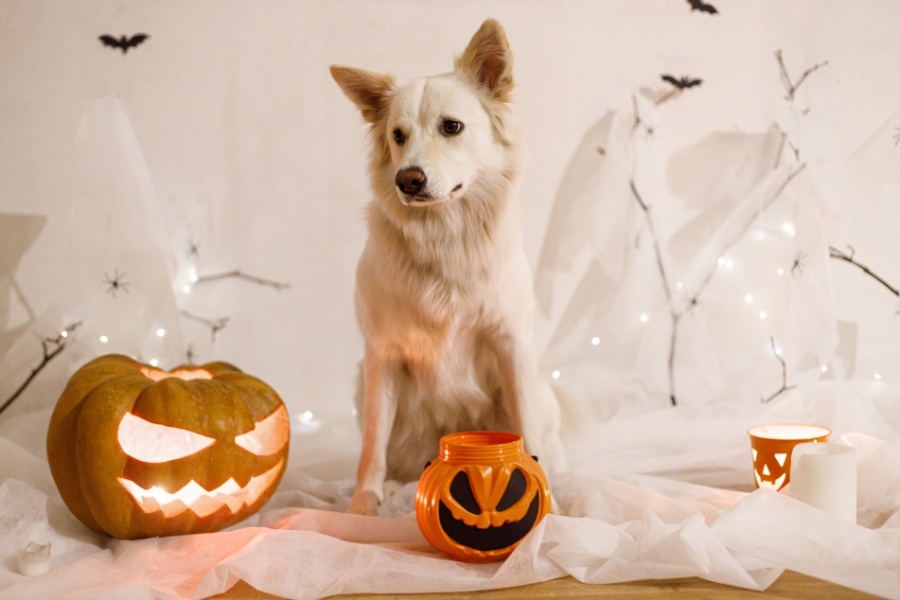
Halloween can turn an ordinary evening into a confusing experience for dogs and cats. The doorbell rings repeatedly. Strangers approach the house in unusual clothing. Children shout outside. Decorations move or make noise. Candy and food appear in places pets can reach.
A dog that normally greets visitors may suddenly bark, pace, hide, or refuse to settle. A social cat may disappear under the bed for hours. Other pets may become unusually clingy, restless, or defensive.
Most of these changes can be connected to fear, excitement, or overstimulation. However, sudden unusual behavior can sometimes accompany pain, illness, poisoning, or an injury. Knowing what your pet is communicating can help you decide whether they need a quieter environment or urgent vet care.
Why Does My Pet Act Differently on Halloween?
Pets do not understand Halloween as people do. They simply notice that their familiar environment suddenly looks, sounds, and smells different.
Dogs and cats depend heavily on predictable routines. They recognize familiar voices, movements, scents, household sounds, and daily patterns. Halloween can disrupt several of these things at once.
Your pet may encounter:
- Repeated doorbell ringing
- Frequent knocking
- Costumed strangers
- Masks that hide familiar faces
- Loud voices and excited children
- Flashing or moving decorations
- Unfamiliar objects around the house
- More people entering and leaving
- Candy and unfamiliar food smells
- Changes to normal feeding, walking, or bedtime routines
One change may not bother your pet. Several happening together can become overwhelming.
What Does Halloween Stress Look Like in Dogs?
Dogs respond to stressful situations differently. Some become vocal and active, while others withdraw.
Signs of fear or overstimulation may include:
- Excessive barking
- Pacing around the house
- Panting without physical activity
- Trembling or shaking
- Whining
- Hiding
- Staying unusually close to a family member
- Refusing treats
- Trying to escape
- Scratching at doors
- Becoming unusually alert
- Growling when approached
- Repeatedly looking toward doors or windows
A frightened dog may also behave differently around familiar people. Avoid forcing physical contact if your dog is trying to retreat.
Give them enough room to feel secure.
Why Do Cats Hide During Halloween?
Cats often respond to unfamiliar activity by creating distance between themselves and whatever is making them uncomfortable.
A quiet bedroom, closet, covered bed, or another familiar hiding area may feel much safer than a busy living room.
Some cats may:
- Hide for several hours
- Avoid visitors
- Eat less temporarily
- Become unusually quiet
- Vocalize more than normal
- Run when the doorbell rings
- Avoid their usual resting areas
- Become defensive when approached
Hiding by itself does not necessarily mean something is medically wrong. The surrounding circumstances matter.
However, a cat that continues hiding after the house becomes quiet deserves closer observation. Pay attention to eating, drinking, litter box use, movement, breathing, and general responsiveness.
Costumes Can Make Familiar People Look Unfamiliar
Your dog recognizes more than your scent. Body shape, facial features, movement, voice, and clothing can all help your pet identify you. A costume can suddenly change several of those familiar cues.
Large hats, masks, capes, wigs, inflatable costumes, and face paint may make a person appear unfamiliar. A pet may therefore react fearfully even when they know the person underneath the costume.
Never force a nervous pet to approach someone wearing a costume. Instead, allow the pet to watch from a comfortable distance. Removing a mask or speaking calmly may help a dog recognize a familiar person.
Door Activity Can Create Another Problem: Escape
Halloween involves frequent opening and closing of exterior doors. That creates an easy escape opportunity for a frightened dog or cat.
A pet that normally stays away from the front door may behave unpredictably when frightened.
Before trick-or-treating begins, consider placing your pet in a secure room away from the main entrance. Make sure windows and secondary exits are secure as well.
Dogs going outdoors should remain properly controlled. Cats that normally spend time outside are generally safer indoors during heavy neighborhood activity.
Check your pet’s collar and identification information before Halloween. Current identification can make reunification easier if your pet gets outside unexpectedly.
Create a Quiet Halloween Space Before Guests Arrive
Do not wait until your pet becomes frightened to decide where they should stay.
Prepare a quiet area earlier in the day.
Choose a familiar room away from the front door and busy gathering areas. Include things your pet already associates with comfort.
Depending on your pet, that might include:
- Their regular bed
- Fresh water
- Familiar blankets
- Favorite toys
- A litter box for cats
- A familiar crate for crate-trained dogs
- Soft background sound
Keep the environment comfortable rather than introducing several new calming products or objects on Halloween night.
Your goal is simple: reduce exposure to the sights and sounds causing the stress.
Keep Your Pet’s Routine as Normal as Possible
Routine can provide useful predictability when the rest of the evening feels unusual.
Feed your pet around their normal time. Take your dog outside before neighborhood activity becomes busy. Give your cat normal opportunities for play and rest.
Exercise earlier in the day can also help some dogs settle more comfortably later.
Avoid making Halloween an unusually exciting event for your pet. A quiet evening may be far more enjoyable for them.
Keep Halloween Candy Completely Out of Reach
Behavior is not the only concern on Halloween. Candy can create a genuine medical problem.
Chocolate can be toxic to dogs and cats. The degree of risk depends on factors including the type and amount of chocolate eaten and the pet’s body weight.
Sugar-free candy can present another concern because some products contain xylitol, which is highly toxic to dogs. Candy wrappers can also cause trouble. A pet may swallow wrappers while trying to eat candy, creating a potential gastrointestinal problem.
Do not leave candy bowls on the floor, coffee table, or another easily accessible surface. If you believe your pet swallowed chocolate, xylitol, wrappers, or another potentially harmful substance, contact a trusted veterinarian promptly. Do not wait for obvious symptoms before asking for guidance.
Be Careful With Halloween Decorations
Halloween decorations can look like toys to curious pets. Strings, ribbons, fake cobwebs, electrical cords, small plastic pieces, batteries, candles, and glow products can create unnecessary risks.
Cats may be particularly interested in hanging or string-like decorations. Swallowing string or similar material can cause serious gastrointestinal complications.
Open flames also deserve special attention. A curious cat can knock over a candle, while a dog’s tail can easily reach a low table. Battery-operated decorations may reduce fire risk, but batteries and small components should still remain inaccessible.
When Is Strange Behavior More Than Halloween Anxiety?
The timing of a behavior change can make stress seem like the obvious explanation. That does not mean every unusual symptom should automatically be blamed on Halloween.
Watch the whole pet rather than one behavior.
For example, hiding may occur because a cat is frightened. Hiding combined with repeated vomiting, difficulty breathing, severe weakness, or trouble walking presents a different situation.
Concerning symptoms can include:
- Persistent vomiting or diarrhea
- Difficulty breathing
- Collapse
- Seizures
- Severe weakness
- Significant bleeding
- Trouble standing or walking
- Suspected poisoning
- Serious injuries
- Difficulty urinating
- Signs of significant pain
- Severe or rapidly worsening symptoms
These signs warrant prompt veterinary attention. Potentially life-threatening problems require emergency veterinary care.
If something seems wrong but you cannot determine how serious it is, contacting a veterinary professional can help you determine the appropriate next step.
What Should You Do If Your Pet Eats Something on Halloween?
First, identify what your pet may have eaten.
If possible, keep the packaging. It can provide useful information about ingredients and quantity.
Try to determine:
- What your pet ate
- Approximately how much was consumed
- When it happened
- Your pet’s approximate weight
- Whether symptoms have developed
Then contact a reliable veterinarian in Independence for guidance.
Do not induce vomiting or give home remedies unless a veterinary professional specifically instructs you to do so. The appropriate response depends on the substance and your pet’s condition.
What If My Pet Is Still Acting Strange the Next Day?
A pet that was simply overwhelmed may gradually return to normal after the house becomes quiet. Still, behavior that continues deserves attention.
Watch whether your pet returns to normal eating, drinking, sleeping, bathroom, and activity patterns.
Consider seeking professional care if your pet continues to:
- Refuse food
- Hide unusually
- Tremble or pace
- Seem painful
- Act lethargic
- Vomit
- Have diarrhea
- Avoid normal movement
- Show significant personality changes
Behavior changes can sometimes be one of the first signs that a pet does not feel well.
A Calm Halloween Starts With Planning
Halloween does not have to be frightening for your pet. Preparing a secure room, maintaining familiar routines, limiting exposure to the front door, and keeping candy and decorations inaccessible can prevent many common problems.
Most importantly, pay attention to your pet rather than expecting them to participate in the celebration. Some animals enjoy visitors and activity. Others would rather sleep in a quiet room until everything returns to normal. Respecting those differences can make Halloween safer and less stressful for everyone.
Get Veterinary Help When Halloween Behavior Raises Concern
When unusual behavior goes beyond temporary excitement or fear, timely veterinary guidance can help you understand what is happening. Three Trails Animal Hospital provides veterinary services for pets in Independence, including timely evaluation when unexpected health concerns arise.
The hospital provides urgent vet care during open office hours and asks pet owners to call when possible if urgent medical attention is needed. Dr. Rick Schrock and the veterinary team focus on helping pet owners understand their pets’ health and make informed care decisions.
If your pet becomes ill, gets injured, eats something potentially harmful, or continues behaving unusually after Halloween, contact Three Trails Animal Hospital at 816-252-5105. For potentially life-threatening problems, seek emergency veterinary attention without delay.
Frequently Asked Questions
Q1. Why is my dog suddenly shaking on Halloween night?
Ans. Fear, unfamiliar noises, costumes, door activity, and excitement can cause trembling. Move your dog somewhere quiet and observe their overall condition. Shaking accompanied by weakness, vomiting, breathing problems, pain, or other concerning symptoms may require veterinary evaluation.
Q2. Is it normal for my cat to hide all night on Halloween?
Ans. Some cats hide when their environment becomes noisy or unpredictable. Give your cat access to a secure, familiar area and avoid pulling them from their hiding place. Contact your veterinarian if hiding continues or occurs with appetite, litter box, breathing, mobility, or other health changes.
Q3. Where can I get help if my pet suddenly becomes sick in Independence, MO?
Ans. Three Trails Animal Hospital provides timely veterinary evaluation for unexpected health concerns in Independence. The practice offers same-day appointments and provides urgent medical care during open office hours. Call 816-252-5105 for guidance when your pet needs prompt attention.
Q4. Can Halloween candy make my pet sick?
Ans. Yes. Chocolate can be toxic to pets, while xylitol in certain sugar-free products is particularly dangerous to dogs. Wrappers and packaging can also cause gastrointestinal problems. Contact a veterinarian promptly if you suspect your pet ate something unsafe.
Q5. Can Three Trails Animal Hospital help if my pet is acting unusually after Halloween?
Ans. Yes. Three Trails Animal Hospital evaluates pets experiencing unexpected changes in behavior or health. Pet owners in Independence can contact the veterinary team when unusual behavior continues or appears alongside symptoms such as vomiting, reduced appetite, discomfort, weakness, or changes in normal activity.
Q6. Does Three Trails Animal Hospital provide urgent vet care in Independence?
Ans. Yes. Three Trails Animal Hospital provides urgent veterinary care in Independence for pets with unexpected health concerns, minor injuries, or sudden changes that need timely evaluation. Potentially life-threatening conditions require immediate emergency veterinary care.
Related Articles
Trusted Pet Care & a Friendly Welcome for Every Pet
