600 West 23rd St S, Independence, MO 64055

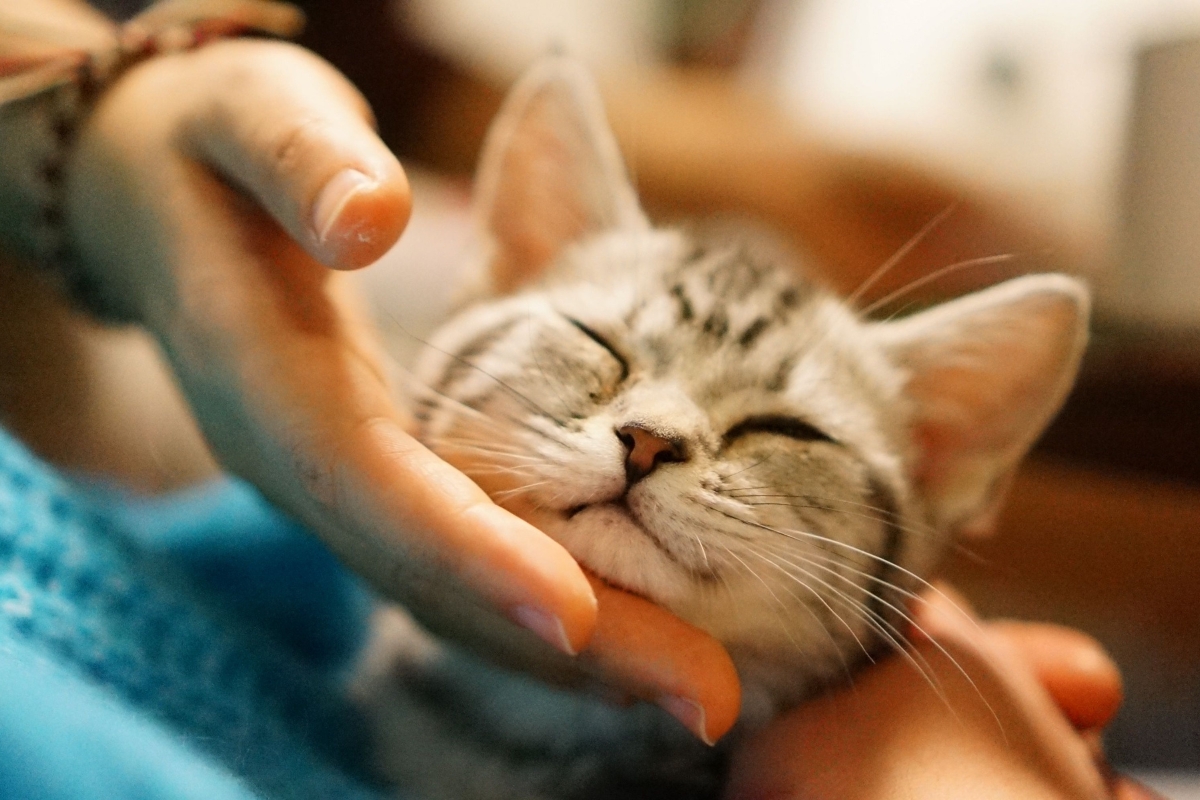
Cats are remarkably good at hiding pain. A cat that once jumped onto the couch may suddenly prefer sleeping on the floor. Another may stop grooming regularly or become unusually quiet. These changes might seem harmless, but they can indicate discomfort that needs veterinary attention.
Unlike dogs, cats rarely show obvious signs when something hurts. They may continue eating, walking, and interacting with their families despite experiencing pain. Recognizing small behavioral changes can help owners identify potential health problems earlier.
For cat owners in Independence, understanding these warning signs is an important part of protecting their pets’ health. This guide explains how to recognize pain in cats, what causes it, and how veterinary care can improve their comfort and quality of life.
Why Do Cats Hide Signs of Pain?
Cats instinctively conceal weakness. In the wild, appearing vulnerable could make them targets for predators. Domestic cats retain this protective behavior.
Consequently, a cat experiencing discomfort may not cry, limp, or display obvious symptoms. Instead, they might become withdrawn, avoid physical contact, or change their daily habits.
As these changes often develop gradually, owners sometimes mistake them for normal aging.
9 Subtle Signs Your Cat May Be in Pain
- Your Cat Stops Jumping Onto Furniture
Cats naturally enjoy climbing and exploring elevated spaces. If your cat suddenly avoids jumping onto beds, couches, or windowsills, discomfort may be affecting their mobility.
Watch for hesitation before jumping, difficulty climbing stairs, or using furniture as intermediate steps. Joint pain, arthritis, and injuries can make these movements uncomfortable.
- Your Cat Starts Hiding More Often
A normally social cat may begin spending hours underneath furniture or inside closets. Although hiding can indicate stress, sudden withdrawal may also signal illness or pain. Pay attention if your cat avoids family members, refuses familiar activities, or becomes unusually difficult to approach.
- Your Cat Becomes Irritable or Aggressive
A cat that suddenly hisses, swats, or bites during routine handling may be experiencing discomfort. For example, a cat with back pain might react aggressively when picked up. These reactions are not necessarily behavioral problems. They may be attempts to avoid painful movements or physical contact.
- Your Cat Changes Their Grooming Habits
Healthy cats spend considerable time grooming themselves. However, arthritis or other painful conditions can make certain body areas difficult to reach.
Common warning signs include:
- Matted or greasy fur.
- Reduced grooming.
- Excessive licking around one area.
- Difficulty reaching the hindquarters.
- Hair loss caused by repeated licking.
These symptoms can also indicate skin conditions, making veterinary evaluation important.
- Your Cat Eats Less or Chews Differently
Dental pain is frequently overlooked in cats. Periodontal disease, fractured teeth, and tooth resorption can make eating uncomfortable.
Your cat might approach the food bowl but eat very little. Others may drop food, chew on one side, or prefer softer meals. Some cats continue eating despite significant dental discomfort.
- Your Cat Sleeps More or Seems Restless
Cats naturally sleep for much of the day, making changes in sleeping habits difficult to recognize. However, discomfort may cause your cat to sleep excessively, frequently change positions, or struggle to settle comfortably. Consider whether these changes occur alongside reduced activity or appetite.
- Your Cat Has Trouble Using the Litter Box
Litter box problems are not always behavioral. Cats with arthritis may struggle to enter high-sided litter boxes or squat comfortably. Other conditions, including urinary problems and constipation, can also cause discomfort.
Important: Straining to urinate while producing little or no urine may indicate a life-threatening urinary obstruction. Seek emergency veterinary care immediately.
- Your Cat’s Facial Expression Changes
A cat’s face can reveal subtle signs of pain. Veterinarians sometimes use the Feline Grimace Scale to assess facial changes associated with acute pain.
Possible signs include:
- Partially closed eyes.
- Flattened or outward-facing ears.
- Tension around the muzzle.
- Unusual whisker positioning.
- A lowered head.
These observations can provide valuable clues when combined with behavioral changes.
- Your Cat Loses Interest in Playing
A cat that previously chased toys or explored the house may gradually become less active. Although activity levels change with age, a noticeable decline should not automatically be considered normal. Painful joints, injuries, and other medical conditions can affect your cat’s willingness to play.
What Health Conditions Commonly Cause Pain in Cats?
Several medical conditions can produce persistent or occasional discomfort.
- Osteoarthritis: Causes joint stiffness, reduced mobility, and difficulty jumping.
- Dental disease: Inflamed gums, tooth resorption, and damaged teeth can make eating painful.
- Injuries: Falls, bite wounds, and muscle strains may cause discomfort without obvious external wounds.
- Urinary conditions: Bladder inflammation, stones, and obstructions can cause painful urination.
- Digestive problems: Constipation, pancreatitis, and gastrointestinal illnesses may cause abdominal discomfort.
- Cancer: Certain tumors can cause ongoing pain, depending on their location.
Because these conditions can produce similar symptoms, identifying the underlying cause requires veterinary evaluation.
How Can Veterinarians Determine Whether Your Cat Is in Pain?
Diagnosing pain involves examining your cat and reviewing changes in their behavior. Our vets assess medical history, mobility, posture, and possible areas of tenderness.
Depending on the findings, additional diagnostic tests may be recommended. Videos showing changes in walking, jumping, or daily activities can also help your veterinarian understand symptoms that may not appear during an appointment.
How Can Veterinary Pain Management Help Your Cat?
Effective treatment begins with identifying the source of discomfort.
At our veterinary practice, we provide care for acute and chronic pain. Treatment recommendations depend on your cat’s condition, medical history, and overall health.
Our approach to pet pain management may include:
- Prescription medications: Appropriate medications can help control discomfort associated with arthritis, injuries, and other conditions.
- Supportive supplements: Certain veterinary-approved supplements may be considered when appropriate.
- Laser therapy: Noninvasive laser therapy may be recommended for selected conditions to help manage discomfort.
- Ongoing monitoring: Follow-up visits help evaluate treatment effectiveness and determine whether adjustments are necessary.
Never give your cat human pain medications without veterinary direction. Common medications such as acetaminophen and ibuprofen can be extremely toxic to cats.
How Can You Help a Cat Experiencing Pain at Home?
Small adjustments can make everyday activities easier while your cat receives veterinary treatment.
Consider these changes:
- Provide soft bedding in quiet locations.
- Use low-entry litter boxes.
- Keep food and water easily accessible.
- Add ramps or steps near favorite resting areas.
- Avoid forcing painful movements.
- Follow prescribed medication instructions.
These adjustments support comfort but cannot replace treatment for an underlying medical condition.
When Should You Contact a Veterinarian?
Schedule a veterinary appointment when your cat develops persistent changes in movement, appetite, grooming, or behavior. Seek emergency care immediately if your cat experiences difficulty breathing, inability to urinate, sudden paralysis, collapse, or severe pain following an injury. Prompt evaluation can help identify the cause and determine appropriate treatment.
Help Your Cat Feel Comfortable and Active Again
Pain can quietly change how your cat moves, plays, eats, and interacts with your family. Recognizing subtle warning signs allows you to seek veterinary care before discomfort further affects their daily life.
With appropriate treatment and ongoing monitoring, many cats experiencing pain can regain mobility and enjoy a more comfortable routine. At Three Trails Animal Hospital, we provide pet pain management services for cats experiencing acute or chronic discomfort. Our veterinary team works to identify possible causes of pain and recommend care that supports your cat’s health and quality of life.
If your cat has started hiding, avoiding jumps, or behaving differently, don’t wait for more obvious symptoms. Call us at 816-252-5105 to schedule an appointment with our veterinary practice in Independence. Let our vets help your cat return to the activities they love.
Frequently Asked Questions
Q1. Can a Cat Be in Pain Without Crying or Limping?
Ans. Yes. Cats frequently experience pain without vocalizing or showing obvious lameness. Reduced activity, hiding, appetite changes, and unusual grooming habits may be the only noticeable symptoms.
Q2. How Can I Tell Whether My Cat Has Arthritis?
Ans. Difficulty jumping, stiffness after resting, reduced grooming, and reluctance to climb may indicate arthritis. A veterinary examination can help identify joint discomfort and determine appropriate treatment.
Q3. Can Cats Recover From Chronic Pain?
Ans. Many causes of chronic pain can be managed, although recovery depends on the underlying condition. Arthritis cannot be cured, but appropriate treatment may improve comfort and mobility.
Q4. Where Can I Take My Cat for Pain Management in Independence?
Ans. Cat owners in Independence can visit Three Trails Animal Hospital for a veterinary evaluation. Our vets assess possible causes of discomfort and recommend appropriate treatment for acute or chronic pain.
Q5. Does Three Trails Animal Hospital Treat Cats With Arthritis in Independence?
Ans. Yes. Three Trails Animal Hospital provides pain management services for pets experiencing chronic discomfort, including arthritis-related pain. Our veterinary team can discuss medication, supplements, and laser therapy when appropriate.
Q6. How Can I Schedule an Appointment for My Cat in Independence?
Ans. Contact Three Trails Animal Hospital at 816-252-5105 to discuss your cat’s symptoms and schedule an appointment. Our veterinary practice is located at 600 West 23rd Street South, Independence, MO 64055.
Related Articles
Trusted Pet Care & a Friendly Welcome for Every Pet
