600 West 23rd St S, Independence, MO 64055

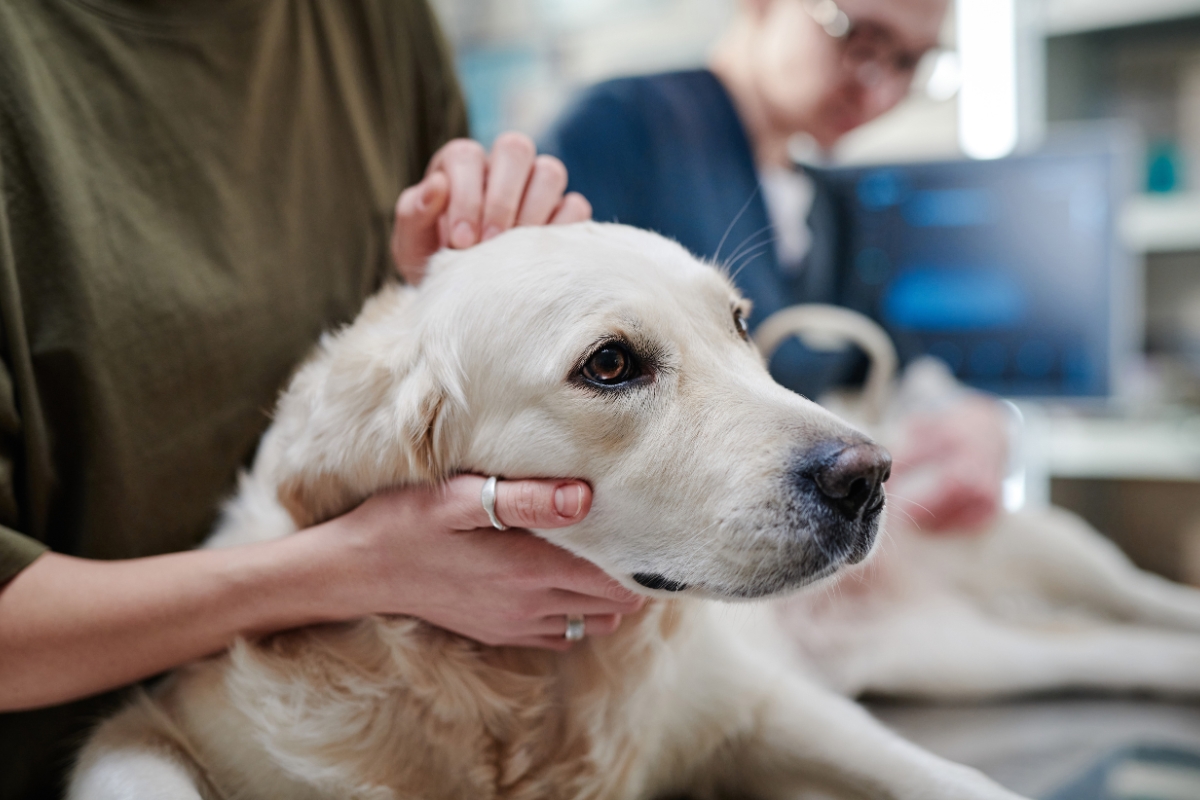
Finding an unexpected lump on your dog can be worrying, especially when you do not know what caused it. Some lumps are harmless and remain unchanged for years. Others grow rapidly, cause discomfort, or indicate an underlying medical condition. Although not every lump requires surgery, identifying its cause is important for protecting your dog’s health.
For dog owners in Independence, knowing when to seek veterinary attention can help prevent complications. Understanding the warning signs, diagnostic procedures, and treatment options also makes it easier to decide what is right for your pet. This guide explains when lump removal surgery may be necessary, what happens during the procedure, and how our veterinary practice can help your dog recover comfortably.
What Causes Lumps and Bumps on Dogs?
Dogs can develop lumps for several reasons, including age-related changes, infections, inflammation, and abnormal cell growth. Some appear beneath the skin, while others develop on its surface.
Common types of lumps include:
- Lipomas: Soft, fatty tumors that are generally benign and often develop in middle-aged or older dogs.
- Sebaceous or follicular cysts: Growths that contain fluid or thick material and may become inflamed or infected.
- Abscesses: Painful swellings caused by infections, sometimes following bites or injuries.
- Histiocytomas: Usually benign skin tumors that commonly affect younger dogs and may resolve without treatment.
- Mast cell tumors: Cancerous growths that can vary in size, texture, and appearance.
- Other skin tumors: Growths that may be benign or malignant and require testing for identification.
A lump’s appearance does not reliably indicate whether it is dangerous. Even small, movable growths can occasionally be cancerous. Our vets recommend examining newly discovered lumps rather than waiting for visible changes.
When Is Dog Lump Removal Surgery Necessary?
Surgical removal may be recommended when a lump threatens your dog’s health, causes discomfort, or has characteristics that suggest cancer. The decision depends on the diagnosis, location, growth rate, and your dog’s overall condition.
When the Lump Is Cancerous or Suspicious
Some tumors can invade surrounding tissues or spread to other parts of the body. If diagnostic testing identifies cancer or raises concerns about malignancy, surgery may be recommended to remove the affected tissue.
Early removal can sometimes improve treatment outcomes, particularly when a tumor is localized. However, not every cancerous growth can be treated through surgery alone. Additional testing or other treatments may be necessary.
When the Lump Grows Quickly
A lump that increases noticeably in size over a short period needs veterinary attention. Rapid growth does not automatically mean cancer, but it can indicate a condition requiring treatment.
Larger growths may also become more difficult to remove, especially near joints, nerves, or blood vessels. Our vets assess changes in size alongside other findings before recommending surgery.
When the Lump Causes Pain or Restricts Movement
Even benign growths can become problematic when they interfere with daily activities. For example, a lump near your dog’s leg may cause friction while walking. A growth between the toes may make standing uncomfortable. Surgery may help when a mass causes persistent pain, restricts movement, or affects your dog’s quality of life.
When the Lump Bleeds or Becomes Infected
Lumps that repeatedly bleed, develop open sores, or produce discharge require prompt examination. These changes may indicate infection, inflammation, or an underlying tumor. Depending on the diagnosis, removal may be recommended to address the affected tissue and prevent further complications.
When the Lump Affects Essential Functions
Growths near the mouth, eyes, or other sensitive areas may interfere with normal activities. A dog may struggle with eating, walking, blinking, or eliminating waste because of a mass. Even noncancerous growths sometimes require removal when their location significantly affects comfort or normal body functions.
How Do Veterinarians Determine Whether a Lump Needs Removal?
Before recommending veterinary surgery, our vets examine the growth and evaluate your dog’s general health.
Several diagnostic methods may help identify the condition.
Physical Examination
The veterinarian checks the lump’s size, shape, texture, location, and mobility. Your dog’s age, medical history, and recent behavioral changes also provide useful information.
Fine-Needle Aspiration
Fine-needle aspiration involves collecting cells from the lump using a small needle. These cells are examined under a microscope to help identify the growth. Although useful, this test cannot provide a definitive diagnosis for every type of mass.
Biopsy and Laboratory Testing
A biopsy involves collecting tissue for laboratory examination. The veterinarian may recommend removing a small sample or the entire growth, depending on the circumstances. Laboratory analysis can identify abnormal cells and help guide treatment decisions.
Bloodwork and Diagnostic Imaging
Blood tests help assess organ function and identify health concerns that may affect anesthesia. X-rays or ultrasound examinations may also be recommended when a tumor is suspected to involve deeper tissues or spread elsewhere. These findings help our veterinary team determine an appropriate treatment plan.
What Happens During Dog Lump Removal Surgery?
The surgical process depends on the lump’s location, size, and suspected diagnosis. Our veterinary practice focuses on careful preparation, appropriate anesthesia, and postoperative monitoring.
Before Surgery
Our vets examine your dog and review relevant diagnostic findings. Pre-anesthetic bloodwork may be recommended to assess overall health and identify potential anesthesia risks. You will also receive instructions about fasting, medications, and preparing your dog for the procedure.
During Surgery
Your dog receives anesthesia to prevent pain and movement. The veterinarian removes the lump using an approach appropriate for its location and suspected diagnosis.
Some tumors require additional surrounding tissue to be removed to improve the likelihood of complete excision. Your dog’s vital signs are monitored throughout the procedure.
After Surgery
Following surgery, our veterinary team monitors your dog during anesthesia recovery. Pain medications and home-care instructions help support healing. When appropriate, the removed tissue is submitted for laboratory analysis to confirm the diagnosis and evaluate surgical margins.
How Long Does Recovery Take After Lump Removal?
Recovery varies according to the procedure’s complexity and your dog’s overall health. Many uncomplicated skin incisions heal sufficiently within approximately 10–14 days. Larger procedures may require additional recovery time.
During recovery, your dog may need:
- Prescribed pain medication
- An Elizabethan collar to prevent licking
- Restricted running, jumping, and rough play
- A clean, dry surgical incision
- Follow-up examinations or suture removal
Inspect the surgical site daily for unusual swelling, discharge, bleeding, or separation.
Contact your veterinarian if your dog develops worsening pain, persistent vomiting, significant weakness, or concerning changes around the incision. Following postoperative instructions carefully can reduce complications and support recovery.
Can a Dog’s Lump Be Monitored Instead of Removed?
Yes. Some lumps can be monitored when testing indicates a benign condition that does not affect your dog’s comfort. Monitoring may be appropriate when the growth remains stable, and surgery offers limited benefit.
However, observation should follow a veterinary examination rather than a home diagnosis. Your veterinarian may recommend recording the lump’s size and photographing it regularly.
Changes in appearance, growth, bleeding, or discomfort should prompt another examination. Never attempt to squeeze, puncture, or remove a lump yourself. Doing so can cause infection, bleeding, and unnecessary pain.
Why Early Veterinary Evaluation Matters
Identifying a lump early gives your veterinarian an opportunity to investigate its cause before complications develop. Some tumors are easier to remove when they are smaller. Others may require additional treatment regardless of when they are discovered.
Regular wellness examinations also help identify growths in areas owners may overlook. At our veterinary practice, we encourage pet owners to check their dogs during grooming and report unfamiliar lumps promptly.
Early evaluation does not always lead to surgery. It helps ensure treatment decisions are based on appropriate medical findings.
Protect Your Dog’s Comfort With Timely Veterinary Care
Finding a lump on your dog does not always mean something serious, but understanding its cause is essential. Some growths remain harmless, while others require timely treatment to prevent pain or complications. A veterinary examination helps determine the appropriate next steps.
At Three Trails Animal Hospital, our team provides surgical care focused on patient safety, comfort, and recovery. From initial evaluation through postoperative care, we work to support your dog’s health and help them return to their normal activities.
If you have noticed a new or changing lump on your dog, contact our veterinary practice in Independence today. Schedule an examination with our vets and take the next step toward protecting your pet’s health.
Frequently Asked Questions
Q1. Does Every Lump on a Dog Need Surgery?
Ans. No. Some benign lumps can be monitored without removal. A veterinarian should examine new growths and determine whether diagnostic testing, observation, or surgery is appropriate.
Q2. How Can I Tell if My Dog’s Lump Is Cancerous?
Ans. Cancer cannot be reliably identified through appearance or touch alone. Fine-needle aspiration, biopsy, or other diagnostic tests may be necessary to determine whether a lump is malignant.
Q3. Is Lump Removal Surgery Safe for Senior Dogs?
Ans. Many senior dogs can undergo surgery successfully. Veterinarians assess overall health, existing medical conditions, and anesthesia risks before determining whether the procedure is appropriate.
Q4. Where Can I Get My Dog’s Lump Examined in Independence?
Ans. Three Trails Animal Hospital provides veterinary examinations and surgical services in Independence. Our vets can assess suspicious growths and recommend appropriate diagnostic testing or treatment.
Q5. Does Three Trails Animal Hospital Offer Dog Lump Removal Surgery?
Ans. Yes. Three Trails Animal Hospital provides soft tissue surgical services, including mass removal. Our veterinary team evaluates each dog’s condition before recommending a surgical procedure.
Q6. Can I Schedule a Lump Evaluation for My Dog in Independence?
Ans. Yes. Contact Three Trails Animal Hospital to schedule an examination. Our vets can assess your dog’s lump, explain diagnostic options, and discuss whether surgical removal may be necessary.
Related Articles
Trusted Pet Care & a Friendly Welcome for Every Pet
