600 West 23rd St S, Independence, MO 64055

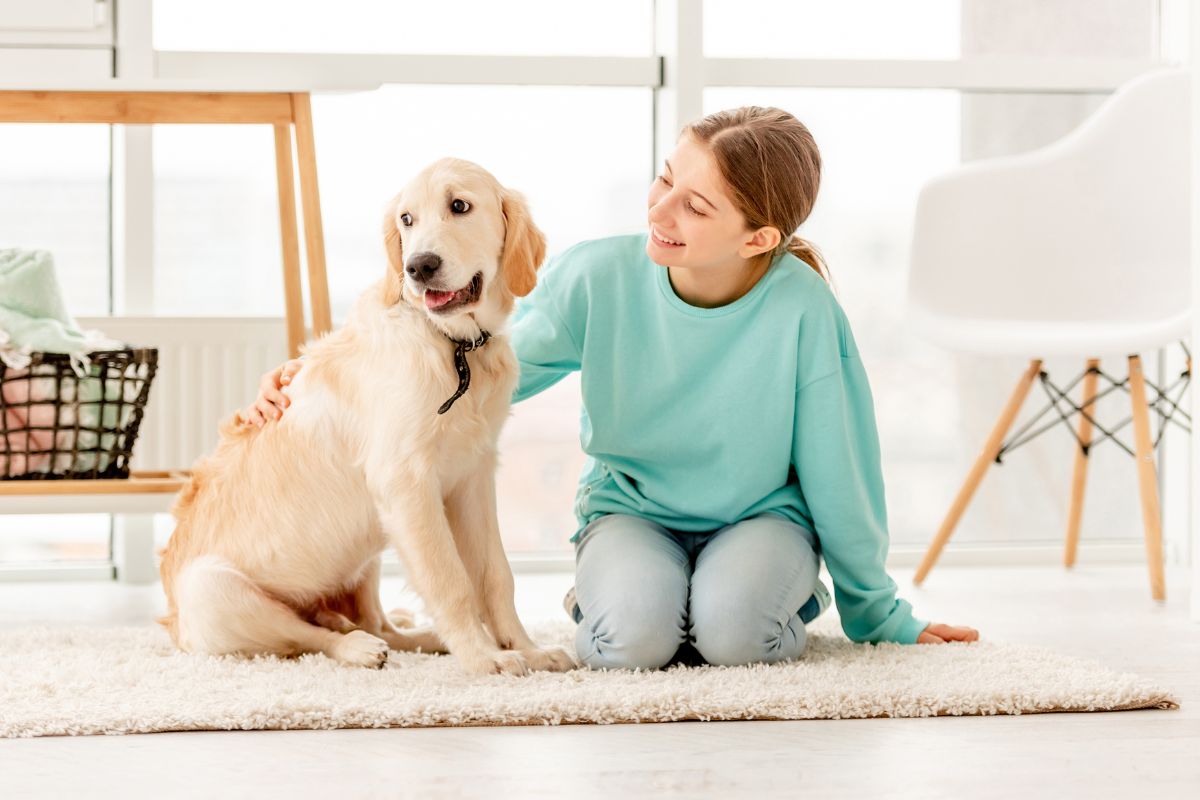
Keeping pets indoors protects them from many outdoor dangers, including traffic, extreme weather, wildlife, and certain infectious exposures. However, living primarily indoors does not automatically mean a dog or cat is protected from every health risk. Indoor pets can still develop obesity, dental disease, parasites, behavioral problems, respiratory irritation, and other conditions related to their environment and daily routines.
For pet owners seeking guidance from an Independence animal hospital, understanding these less obvious risks can help support better preventive care at home. Families can take practical steps to make indoor environments safer while maintaining appropriate nutrition, exercise, enrichment, parasite prevention, and routine veterinary care. The goal is not to eliminate every possible risk, but to recognize preventable problems before they affect a pet’s health or quality of life.
Are Indoor Pets Really at Risk for Health Problems?
Yes. Indoor living can reduce exposure to some hazards, but it does not eliminate health risks.
A pet’s health is influenced by nutrition, activity level, genetics, age, environment, preventive care, and underlying medical conditions. For example, a cat that never goes outdoors can still become overweight, develop dental disease, experience stress-related behavior changes, or encounter household toxins.
Dogs that spend most of their time indoors can also develop health problems when exercise is insufficient or when routine preventive care is overlooked.
Indoor pets therefore still benefit from regular veterinary examinations, appropriate vaccinations, parasite prevention, dental care, balanced nutrition, exercise, and mental stimulation.
1. Obesity From Too Little Activity
One of the most common hidden risks for indoor pets is excess weight.
Indoor lifestyles can make it easy for pets to consume more calories than they use. Treats, table scraps, free-choice feeding, and reduced physical activity can gradually contribute to weight gain.
Obesity is more than a cosmetic concern. Excess body weight can increase stress on joints and may contribute to mobility problems and other health complications.
How to Reduce the Risk
Pet owners can help maintain a healthy body condition by:
- Measuring meals rather than estimating portions
- Limiting high-calorie treats
- Including daily physical activity
- Monitoring body condition regularly
- Adjusting food intake when activity levels change
- Discussing appropriate nutrition with a veterinarian
The right amount of food varies by species, age, size, activity level, reproductive status, and health condition.
2. Dental Disease Can Go Unnoticed
Dental disease is another problem that can develop even when an indoor pet appears healthy.
Plaque can accumulate on teeth and eventually contribute to tartar, gum inflammation, periodontal disease, oral discomfort, and tooth loss. Pets do not always show obvious signs of dental pain, so owners may not realize there is a problem until disease has progressed.
Bad breath, red or bleeding gums, difficulty chewing, dropping food, excessive drooling, or changes in eating habits can indicate an oral health problem.
How to Reduce the Risk
A preventive dental routine may include:
- Regular veterinary oral examinations
- Daily tooth brushing when tolerated
- Veterinary-approved dental products
- Appropriate dental diets or treats when recommended
- Professional dental cleaning when indicated
Never use human toothpaste for pets unless a veterinary professional specifically recommends a product that is safe for animals.
3. Indoor Parasites Are Still Possible
A common misconception is that indoor pets do not need parasite prevention.
Fleas, ticks, intestinal parasites, and other pests can potentially reach indoor environments through people, other animals, or outdoor exposure. A dog that spends most of its time inside may still encounter parasites during brief walks or trips outside.
Fleas can also reproduce within the home once an infestation becomes established.
How to Reduce the Risk
Ask your veterinarian about a parasite prevention program appropriate for your pet’s species, age, lifestyle, and local exposure risks.
Regularly wash pet bedding, vacuum frequently, and monitor your pet for unusual itching, skin irritation, changes in stool, or visible parasites.
Indoor-only cats should also have their parasite prevention needs evaluated rather than assuming they have no exposure risk.
4. Household Toxins Can Be More Dangerous Than Outdoor Hazards
Pets share our homes, which means they can encounter substances that are harmless or useful to people but dangerous to animals.
Potential household hazards include certain cleaning products, medications, pesticides, chemicals, essential oils, and foods.
Dogs may be especially likely to investigate objects with their mouths, while cats can encounter toxins by walking through contaminated substances and grooming them from their fur.
How to Reduce the Risk
Store medications, chemicals, cleaning products, and pesticides in secure locations. Keep potentially hazardous foods away from pets and avoid leaving medications on countertops or tables.
Products should remain in their original containers whenever possible so labels and ingredient information are available if an accidental exposure occurs.
If you suspect your pet has ingested or contacted something potentially toxic, contact a veterinarian promptly rather than waiting for symptoms to develop.
5. Lack of Mental Stimulation Can Affect Behavior
Indoor pets need mental enrichment as well as physical exercise.
A predictable environment with few opportunities to explore, play, forage, or interact can contribute to boredom. In some pets, insufficient enrichment may appear as destructive behavior, excessive vocalization, attention-seeking, pacing, or other unwanted behaviors.
Cats can benefit from opportunities to climb, scratch, hide, chase, and investigate. Dogs may enjoy food puzzles, scent games, training sessions, interactive toys, and age-appropriate play.
How to Reduce the Risk
Rotate toys rather than leaving every toy available at once. Use puzzle feeders when appropriate, introduce short training sessions, and provide species-appropriate activities that encourage natural behaviors.
For cats, vertical spaces, scratching surfaces, hiding areas, and interactive play can make an indoor environment more engaging.
6. Indoor Air Quality Matters
Pets spend substantial amounts of time close to the floor, where dust, particles, and certain chemicals can accumulate.
Smoke, strong fragrances, aerosol products, cleaning fumes, poor ventilation, and excessive dust can affect indoor air quality. Pets with existing respiratory conditions may be particularly sensitive.
How to Reduce the Risk
Maintain good ventilation and avoid exposing pets to cigarette or tobacco smoke. Use cleaning products according to their labels and keep pets away from areas while strong chemicals or fumes are present.
Regular cleaning can also reduce accumulated dust, dander, and other irritants.
If your pet develops persistent coughing, sneezing, nasal discharge, breathing changes, or unusual respiratory effort, seek veterinary evaluation.
7. Stress Can Affect Indoor Pets
Indoor environments are not automatically stress-free.
Changes in household routines, loud noises, unfamiliar visitors, conflicts between pets, construction, moving furniture, or a lack of safe resting spaces can cause stress.
Cats may respond by hiding, overgrooming, eliminating outside the litter box, or becoming less interactive. Dogs may show pacing, excessive barking, destructive behavior, or changes in appetite.
How to Reduce the Risk
Give pets predictable routines and provide quiet areas where they can retreat when needed. Multi-pet households should have adequate resources, including food and water stations, resting spaces, and litter boxes for cats.
Avoid punishing fear-based or stress-related behavior. Instead, identify potential triggers and discuss persistent changes with a veterinary professional.
8. Indoor Cats Still Need Exercise
Cats are naturally inclined to stalk, chase, climb, scratch, and investigate. A completely sedentary indoor lifestyle can contribute to weight gain and reduced physical conditioning.
How to Reduce the Risk
Schedule short interactive play sessions throughout the day. Wand toys, food puzzles, climbing structures, scratching posts, and safe toys can encourage movement.
Allow your cat to control the intensity of play and provide opportunities for rest between activities.
For older cats or cats with mobility problems, activities should be adapted to their physical abilities.
9. Dogs Need More Than Bathroom Breaks
A dog that goes outside only to eliminate may not receive enough physical or mental activity.
Exercise needs vary considerably by breed, age, health, and temperament. Some dogs need substantially more activity than others.
How to Reduce the Risk
Build appropriate movement into the daily routine through walks, supervised play, training, scent games, or other activities your dog enjoys.
Avoid suddenly increasing exercise, particularly for senior dogs, overweight pets, or dogs with known orthopedic conditions.
If your dog develops persistent stiffness, limping, exercise intolerance, or reluctance to move, a veterinary evaluation can help determine whether an underlying health problem is present.
10. Skipping Preventive Veterinary Care
Perhaps the most important hidden risk for indoor pets is assuming that they do not need regular veterinary care.
Preventive examinations allow veterinarians to monitor weight, dental health, vaccinations, parasite risks, mobility, behavior, and other aspects of overall wellness.
Some diseases develop gradually and may not cause obvious symptoms during their early stages. Routine examinations can therefore provide an opportunity to identify changes before they become more advanced.
How to Reduce the Risk
Maintain a preventive care schedule based on your pet’s age, species, lifestyle, and health status.
Your veterinarian may recommend different examination frequencies, vaccinations, parasite prevention, dental care, laboratory testing, or other screening based on individual risk factors.
How to Make an Indoor Home Healthier for Your Pet
You do not need to completely redesign your home to improve your pet’s environment. Small, consistent changes can make a meaningful difference.
Consider this simple routine:
- Measure your pet’s food portions
- Provide fresh water every day
- Schedule regular exercise and play
- Offer age-appropriate mental enrichment
- Keep medications and chemicals secured
- Maintain clean litter boxes
- Wash bedding regularly
- Monitor dental health
- Use veterinarian-recommended parasite prevention
- Maintain routine veterinary examinations
- Watch for changes in appetite, weight, behavior, mobility, or elimination
Signs Your Indoor Pet May Need Veterinary Attention
Indoor pets can hide illness, so changes in normal behavior deserve attention.
Contact your veterinarian if you notice:
- Sudden changes in appetite or thirst
- Unexplained weight gain or weight loss
- Persistent vomiting or diarrhea
- Changes in urination
- Difficulty breathing
- Persistent coughing or sneezing
- Excessive itching or grooming
- Bad breath or difficulty eating
- Limping or reduced mobility
- New hiding or aggression
- Significant changes in energy
- Changes in litter box habits
A single unusual behavior does not always indicate a serious problem, but persistent or worsening changes should not be ignored.
Building a Healthier Indoor Lifestyle
The safest indoor environment combines physical protection with opportunities for normal behavior. Pets need appropriate nutrition, movement, mental stimulation, social interaction, preventive healthcare, and a clean, predictable living space.
Indoor living can reduce certain hazards, but it should not become a reason to overlook routine veterinary care. Prevention is most effective when it considers the whole pet rather than focusing on one risk at a time.
Indoor living provides important protection, but it does not remove every health risk. Obesity, dental disease, parasites, household toxins, inadequate enrichment, stress, poor air quality, and missed preventive care can all affect pets that rarely or never go outside.
The best approach is proactive. Give your pet a balanced diet, regular activity, mental enrichment, a safe home environment, appropriate parasite protection, and routine veterinary care. Pay attention to subtle changes because early recognition can make it easier to address health problems effectively.
If you are in Independence and need guidance from a vet near you on creating a healthier indoor lifestyle for your dog or cat, schedule your appointment with Three Trails Animal Hospital. Our team can help you develop preventive care and wellness strategies tailored to your pet’s age, lifestyle, and individual needs.
Frequently Asked Questions
Q1. Do indoor pets really need parasite prevention?
Ans: Indoor pets can still encounter fleas, ticks, and certain parasites through people, other animals, or occasional outdoor exposure. The appropriate prevention plan depends on the pet’s species, lifestyle, geographic area, and individual risk. Discuss parasite prevention with your veterinarian rather than assuming an indoor lifestyle eliminates the need.
Q2. Can indoor cats become overweight?
Ans: Yes. Limited activity combined with excessive calorie intake can contribute to weight gain. Measured portions, interactive play, environmental enrichment, and regular weight monitoring can help maintain a healthy body condition.
Q3. How much exercise does an indoor dog need?
Ans: Exercise needs vary according to age, breed, size, fitness, and health. Most dogs benefit from regular physical and mental activity, but the ideal amount should be individualized. Senior dogs, puppies, overweight pets, and dogs with medical conditions may require modified exercise routines.
Q4. What household items are dangerous for pets?
Ans: Medications, certain foods, cleaning chemicals, pesticides, and other household substances can be hazardous. Store potentially toxic products securely and keep them in labeled containers. If you suspect an exposure, seek veterinary guidance promptly.
Q5. How can I keep my indoor pet mentally stimulated?
Ans: Use age-appropriate toys, food puzzles, training, scent games, interactive play, scratching surfaces, climbing opportunities, and safe exploration areas. Rotate enrichment activities to prevent boredom and adjust them to your pet’s physical abilities.
Q6. How often should an indoor pet see a veterinarian?
Ans: The appropriate schedule depends on the pet’s age, species, health, lifestyle, and risk factors. Regular preventive examinations allow a veterinarian to monitor changes and update vaccinations, parasite prevention, nutrition, dental care, and other recommendations as needed.


Trusted Pet Care & a Friendly Welcome for Every Pet