600 West 23rd St S, Independence, MO 64055

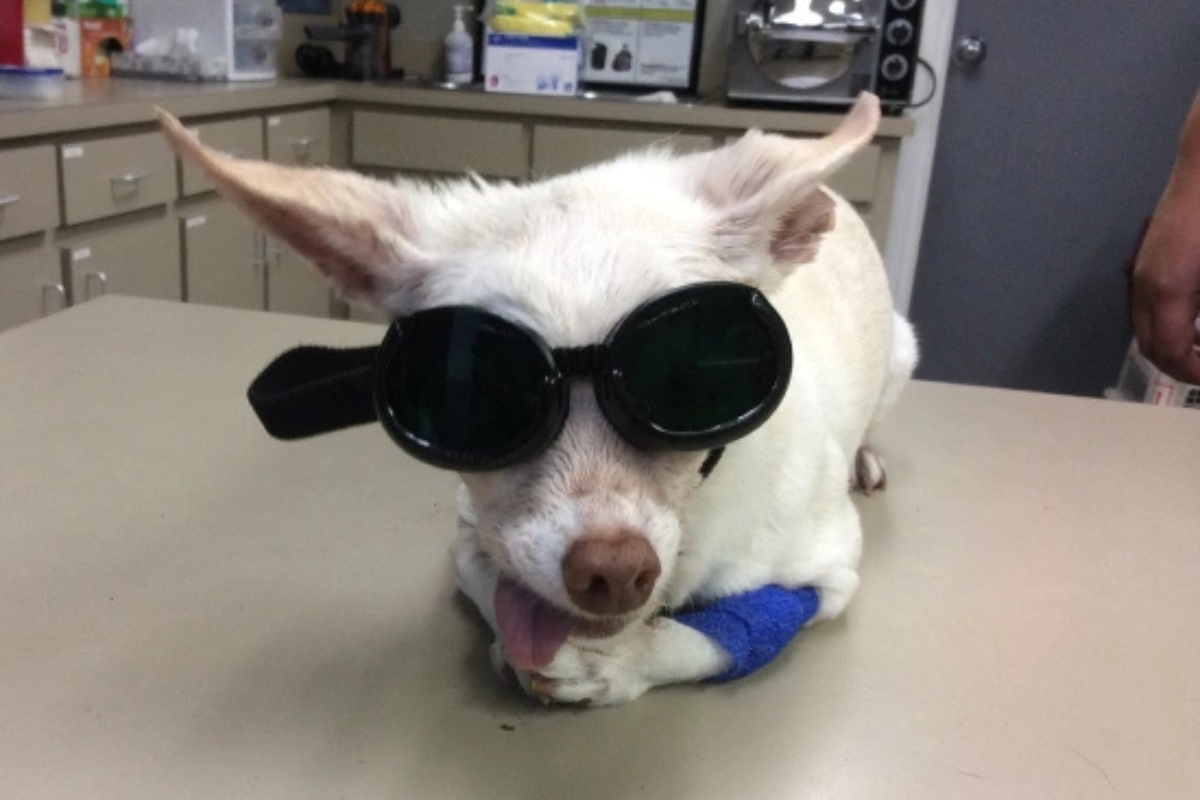
Watching your dog struggle to stand after resting or hesitate before climbing stairs can be concerning. Activities that once seemed effortless may become uncomfortable as arthritis affects their joints. Some dogs begin walking more slowly, avoid jumping, or lose interest in their favorite activities. These changes often develop gradually, making them easy to mistake for normal aging.
Although arthritis cannot be cured, veterinary treatment can help manage discomfort and maintain mobility. Laser therapy is one option that may help reduce joint pain and support more comfortable movement without surgery.
For dog owners in Independence, understanding how laser therapy for dogs works can make treatment decisions easier. This guide explains its benefits, what happens during sessions, and the improvements owners may notice over time.
What Is Laser Therapy for Dogs With Arthritis?
Laser therapy is a noninvasive veterinary treatment that uses specific wavelengths of light to interact with tissues beneath the skin. Also called photobiomodulation, this treatment may influence cellular processes associated with inflammation, pain signaling, and tissue repair.
For dogs with arthritis, veterinarians may apply therapeutic laser energy around affected joints to help manage discomfort. Unlike surgical lasers, therapeutic lasers do not cut tissue or require incisions. Most dogs remain awake and comfortable during treatment.
Veterinarians may consider laser therapy for dogs experiencing:
- Chronic joint pain or stiffness
- Difficulty standing after resting
- Reduced flexibility in affected joints
- Hesitation when climbing stairs
- Discomfort during normal physical activity
Laser therapy does not reverse cartilage damage or cure arthritis. Research on its effectiveness for canine osteoarthritis remains limited, and individual responses vary.
What Are the Benefits of Laser Therapy for Dogs With Arthritis?
Arthritis causes progressive changes within joints, including cartilage deterioration, inflammation, and discomfort during movement. Laser therapy may help manage some symptoms.
May Reduce Joint Pain
Joint discomfort often causes dogs to become less active. Therapeutic laser treatment may influence pain signaling and inflammatory processes, helping some dogs move more comfortably. However, pain relief is not guaranteed, and prescription medication may still be necessary.
May Help Manage Inflammation
Inflammation contributes to stiffness and tenderness around arthritic joints. Laser therapy may help regulate certain inflammatory responses within treated tissues. Some dogs experience improved comfort, although the degree of relief depends on their condition.
May Improve Mobility
Dogs experiencing joint pain often avoid physical activity. Reduced movement can gradually contribute to muscle weakness and additional stiffness. When discomfort is controlled, dogs may become more willing to walk, stand, and participate in gentle exercise.
Offers a Noninvasive Treatment Option
Laser therapy generally does not require anesthesia, injections, or surgical incisions. Most dogs tolerate treatment while sitting, standing, or lying comfortably. This makes it a possible addition to a broader arthritis management plan.
What Happens During a Dog’s Laser Therapy Session?
Understanding the treatment process can help owners prepare for their dog’s appointment.
Step 1: Veterinary Examination
Before recommending treatment, our vets examine your dog’s joints, mobility, medical history, and overall condition. We may assess walking patterns, joint flexibility, and areas of tenderness. Diagnostic imaging may be recommended when necessary to investigate arthritis or other causes of discomfort.
Step 2: Treatment Preparation
Your dog is positioned comfortably while a trained veterinary professional prepares the laser device. Appropriate eye protection and safety precautions are used throughout treatment.
Step 3: Laser Application
The device delivers light energy to selected treatment areas according to the prescribed protocol. Sessions may last several minutes per affected area, although treatment duration depends on the equipment and number of joints involved. Most dogs remain awake throughout the procedure.
Step 4: Aftercare Instructions
Dogs can generally return to their usual routine afterward, subject to veterinary recommendations. Our vets may advise continued medication, controlled exercise, and supportive home adjustments to help maintain comfort.
How Many Laser Therapy Sessions Does a Dog Need?
There is no fixed treatment schedule suitable for every dog.
The number of sessions depends on several factors, including:
- Severity of arthritis
- Number of affected joints
- Age and overall health
- Response to initial treatment
- Other pain management treatments
Some veterinarians recommend an initial series of sessions over several weeks, followed by maintenance treatments when appropriate.
Dogs with advanced arthritis may require a different approach than those experiencing mild stiffness. Our veterinary team evaluates each dog’s condition and monitors progress before recommending continued treatment.
When Can Dog Owners Expect Results From Laser Therapy?
Some dogs may show improvement after a few sessions, while others require additional treatments before noticeable changes occur. Some dogs may experience little or no meaningful benefit.
Owners should look for gradual improvements in everyday activities rather than expecting immediate results.
Possible signs of improvement include:
- Standing more easily after resting
- Walking with less hesitation
- Showing greater interest in short walks
- Moving more comfortably around the house
- Resting with fewer signs of discomfort
- Participating more willingly in familiar activities
Keeping a record of your dog’s mobility can help determine whether treatment is making a difference.
Short videos of walking, standing, or climbing steps may also help veterinarians evaluate progress. As arthritis is progressive, ongoing treatment and monitoring may remain necessary even when symptoms improve.
Why Laser Therapy Should Be Part of a Complete Arthritis Management Plan
Laser therapy is generally considered an additional treatment rather than a replacement for established arthritis care. Effective management often involves several approaches.
Veterinary Pain Medication
Prescription anti-inflammatory medications and other pain treatments can help control discomfort. Our vets consider your dog’s medical history, age, and health before recommending medication. Never give human pain relievers without veterinary instructions.
Healthy Weight Management
Excess body weight increases pressure on painful joints. Maintaining a healthy weight can reduce unnecessary joint strain and support comfortable movement.
Gentle, Consistent Exercise
Short walks and other low-impact activities help maintain muscle strength and joint flexibility. Exercise should match your dog’s comfort level and veterinary recommendations.
Supportive Home Adjustments
Simple changes can make daily activities easier for arthritic dogs. Nonslip rugs, supportive bedding, ramps, and assistance entering vehicles may help reduce joint strain.
How Pet Preventive Care Helps Identify Arthritis Early
Arthritis can affect movement long before dogs show obvious signs of pain. Regular veterinary examinations help identify subtle changes in joint flexibility, muscle condition, body weight, and walking patterns.
Through preventive care, our vets can monitor these changes and discuss concerns that owners might otherwise overlook. During wellness visits, our veterinary team evaluates your dog’s overall condition and asks about changes in activity, behavior, and mobility.
Early recognition allows veterinarians to recommend appropriate treatment before discomfort significantly affects daily activities. Although routine examinations cannot prevent every case of arthritis, they support timely diagnosis and ongoing health monitoring.
How Our Veterinary Practice Helps Dogs With Arthritis
Every dog experiences arthritis differently. Some develop mild stiffness in one joint, while others struggle with discomfort affecting several areas. Our approach begins with understanding how joint pain affects your dog’s daily routine.
Our vets evaluate mobility concerns, review medical history, and discuss available treatment options. At Three Trails Animal Hospital, therapeutic laser treatment is available as an option for managing chronic pain, including arthritis-related discomfort.
We also provide wellness examinations and ongoing veterinary care to monitor changes in your dog’s health. Treatment recommendations depend on examination findings, medical needs, and response to previous care.
Help Your Dog Enjoy More Comfortable Movement
Arthritis can change how dogs walk, play, rest, and interact with their families. Although the condition cannot be reversed, appropriate pain management can help many dogs remain comfortable and active.
Laser therapy may provide additional relief for some dogs when combined with medication, weight management, gentle exercise, and regular veterinary monitoring.
Recognizing mobility changes early and seeking veterinary guidance can help prevent unnecessary discomfort.
Give Your Dog the Comfort and Care They Deserve
If your dog struggles with stiffness, difficulty standing, or reduced interest in walking, our veterinary team is ready to help.
At Three Trails Animal Hospital in Independence, we provide arthritis pain management options, including laser therapy, and ongoing pet preventive care to support your dog’s health.
Contact our veterinary practice at 816-252-5105 to schedule an appointment. Our vets can assess your dog’s joint discomfort and discuss treatment options focused on improving comfort, mobility, and quality of life.
Frequently Asked Questions
Q1. Is laser therapy safe for senior dogs with arthritis?
Ans. Laser therapy is generally well tolerated when performed by trained veterinary professionals using appropriate safety precautions. However, a veterinarian should evaluate your dog’s health and determine whether treatment is suitable.
Q2. Can laser therapy cure arthritis in dogs?
Ans. No. Laser therapy cannot reverse joint damage or cure arthritis. It may help relieve discomfort in some dogs when combined with appropriate veterinary treatment.
Q3. How long do laser therapy results last?
Ans. Results vary depending on arthritis severity and individual response. Some dogs benefit from additional sessions, while others experience limited improvement.
Q4. Where can I get laser therapy for my dog in Independence?
Ans. Three Trails Animal Hospital in Independence offers therapeutic laser treatment. Our vets can evaluate your dog’s joint discomfort and determine whether this treatment is appropriate.
Q5. Can Three Trails Animal Hospital help my senior dog walk more comfortably?
Ans. Yes. Three Trails Animal Hospital evaluates mobility concerns and provides chronic pain management options. Our veterinary team can investigate possible causes and recommend appropriate care.
Q6. How often should dogs with arthritis receive veterinary checkups in Independence?
Ans. Three Trails Animal Hospital recommends follow-up visits based on each dog’s condition and treatment response. Dogs with ongoing arthritis may need more frequent evaluations to monitor pain and mobility.
Related Articles

Trusted Pet Care & a Friendly Welcome for Every Pet
