600 West 23rd St S, Independence, MO 64055

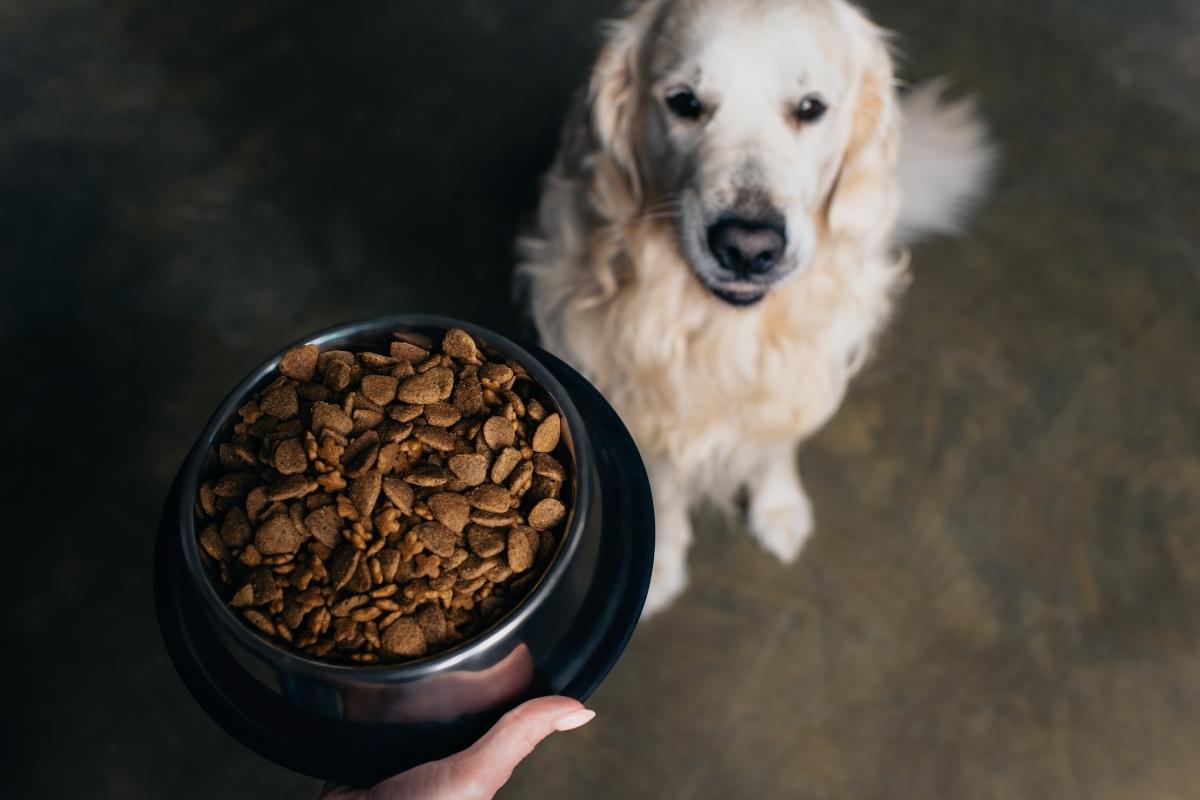
As pets grow older, their nutritional needs begin to change. Senior dogs and cats often experience slower metabolism, reduced mobility, digestive sensitivities, and age-related health conditions that can affect their overall well-being. Proper nutrition plays an important role in helping aging pets maintain healthy organs, support joint function, and enjoy a better quality of life during their senior years.
At Three Trails Animal Hospital, veterinarians help pet owners understand how balanced nutrition and preventive wellness strategies can support healthier aging in dogs and cats. Dietary adjustments, weight management, and routine wellness monitoring often become increasingly important as pets get older.
Many pets begin showing signs of aging around seven years of age, although larger breeds may age more quickly. For pet owners in Independence, MO, understanding how nutrition affects senior pet health can help improve comfort, mobility, and long-term wellness.
Why Nutrition Changes for Senior Pets
As pets age, their bodies process nutrients differently. Organ function, digestion, and energy levels may gradually decline, increasing the importance of proper dietary support.
Aging May Affect:
- Metabolism
- Muscle mass
- Joint flexibility
- Kidney function
- Immune response
- Digestive health
A well-balanced senior diet can help address many of these age-related changes.
Maintaining Healthy Weight in Older Pets
Weight management becomes increasingly important for aging pets.
Excess Weight Can:
- Increase joint stress
- Worsen arthritis symptoms
- Reduce mobility
- Affect heart health
- Increase diabetes risk
At the same time, unexplained weight loss may signal underlying medical conditions such as kidney disease, dental problems, or digestive disorders.
Helpful Weight Management Tips:
- Feed portion-controlled meals
- Limit high-calorie treats
- Encourage gentle exercise
- Schedule regular weigh-ins
Veterinarians may recommend specific senior diets based on a pet’s body condition and activity level.
Supporting Joint Health Through Nutrition
Joint pain and arthritis are among the most common concerns in older dogs and cats.
Nutrients That May Support Joint Health Include:
- Omega-3 fatty acids
- Glucosamine
- Chondroitin
- Antioxidants
These nutrients may help reduce inflammation and support cartilage health.
Signs of Joint Problems:
- Difficulty standing
- Limping or stiffness
- Reduced activity
- Hesitation using stairs
- Difficulty jumping
Maintaining a healthy weight also helps reduce pressure on aging joints.
Kidney Health and Senior Nutrition
Kidney disease commonly affects older pets, especially cats.
Nutritional Support for Kidney Health May Include:
- Controlled phosphorus levels
- Moderate protein intake
- Increased hydration support
- Reduced sodium content
Specialized diets may help reduce kidney workload and support long-term function.
Warning Signs of Kidney Disease:
- Increased thirst
- Frequent urination
- Weight loss
- Poor appetite
- Vomiting
Routine bloodwork often helps identify kidney disease in earlier stages.
Digestive Health in Senior Pets
Digestive sensitivities may become more common with age.
Older Pets May Experience:
- Slower digestion
- Food sensitivities
- Constipation
- Reduced appetite
Highly digestible diets with balanced fiber content can often support healthier digestion.
Tips to Support Digestion:
- Feed consistent meal schedules
- Avoid sudden food changes
- Provide fresh water daily
- Offer smaller meals if needed
Veterinary guidance is important before making significant dietary changes.
Importance of Protein for Aging Pets
Many senior pets still require adequate protein to maintain muscle mass and body condition.
Benefits of Balanced Protein Intake:
- Supports muscle maintenance
- Helps immune function
- Promotes healing and recovery
- Maintains energy levels
Protein recommendations may vary depending on underlying health conditions.
Hydration and Organ Function
Proper hydration is essential for supporting healthy organ function in aging pets.
Dehydration Risks Increase With:
- Kidney disease
- Diabetes
- Reduced water intake
- Digestive illness
Encouraging hydration can support circulation, digestion, and kidney health.
Ways to Encourage Water Intake:
- Provide multiple water bowls
- Offer fresh water frequently
- Include moisture-rich foods when appropriate
Monitoring drinking habits can also help identify early health concerns.
Dental Health and Nutrition
Dental disease can significantly affect a senior pet’s ability to eat comfortably.
Common Dental Issues Include:
- Tartar buildup
- Gum disease
- Tooth infections
- Broken teeth
Painful dental conditions may reduce appetite and contribute to weight loss.
Routine dental evaluations are often an important part of senior pet care and may help improve eating comfort and overall health.
Importance of Routine Veterinary Monitoring
Nutrition should always be tailored to a pet’s individual health needs.
Senior Wellness Visits May Include:
- Weight monitoring
- Bloodwork
- Urinalysis
- Dental examinations
- Mobility assessments
Regular wellness visits allow veterinarians to adjust dietary recommendations as pets age or develop chronic conditions.
After the midpoint of a pet’s life, senior pet care often focuses on supporting organ function, mobility, and long-term comfort through preventive care and nutritional management.
Supporting Healthy Aging at Home
Simple home adjustments can help senior pets stay more comfortable and active.
Helpful Lifestyle Tips:
- Provide orthopedic bedding
- Use ramps or non-slip rugs
- Maintain gentle daily exercise
- Monitor appetite and energy levels
- Keep regular feeding routines
Small changes in eating habits, mobility, or behavior should always be discussed with a veterinarian.
As pets continue aging, senior pet care becomes increasingly important for identifying nutritional deficiencies, monitoring chronic conditions, and supporting healthier aging through individualized wellness plans.
Helping Senior Pets Thrive Through Proper Nutrition
Balanced nutrition plays a major role in helping senior pets maintain mobility, organ health, energy levels, and overall quality of life. Understanding the changing dietary needs of aging dogs and cats can help pet owners make informed decisions that support healthier aging and greater long-term comfort.
If you’re in Independence, MO and looking for a veterinarian near you to support your aging pet’s health and nutrition needs, schedule an appointment with Three Trails Animal Hospital. Our veterinary team provides personalized wellness care, nutritional guidance, and long-term health support to help senior dogs and cats stay healthier, more comfortable, and active throughout every stage of aging.
FAQs
Q1. When is a pet considered a senior?
Ans. Many dogs and cats are considered seniors around seven years old, although larger breeds may begin aging earlier than smaller pets.
Q2. Why do older pets gain weight more easily?
Ans. Senior pets often experience slower metabolism and reduced activity levels, which can contribute to gradual weight gain over time.
Q3. Can nutrition help pets with arthritis?
Ans. Yes. Balanced diets, healthy weight management, and nutrients like omega-3 fatty acids may help support joint health and reduce inflammation.
Q4. Should senior pets eat different food than younger pets?
Ans. Many senior pets benefit from diets formulated to support aging organs, joint health, digestion, and healthy weight management.
Q5. How often should senior pets have wellness exams?
Ans. Many veterinarians recommend wellness exams every six months for senior pets to monitor age-related health changes more closely.
Q6. Why is hydration important for older pets?
Ans. Proper hydration supports kidney function, digestion, circulation, and overall organ health, especially in aging dogs and cats.

Trusted Pet Care & a Friendly Welcome for Every Pet