600 West 23rd St S, Independence, MO 64055

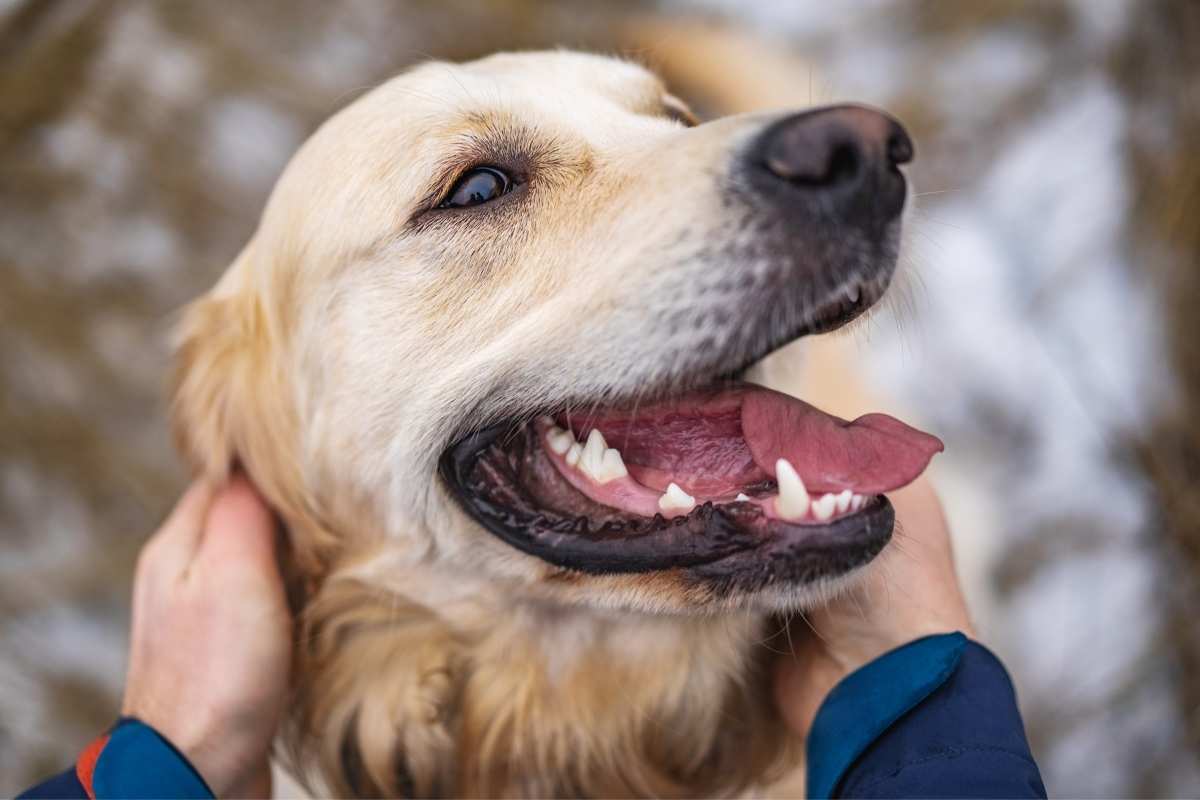
Dogs are naturally curious and active, which sometimes puts them at risk for sudden illnesses or injuries. While some minor health issues may improve with rest, others require immediate attention from a veterinarian. Recognizing the warning signs early can make a significant difference in your dog’s comfort, treatment options, and overall recovery. Three Trails Animal Hospital is committed to helping pet owners understand when prompt veterinary care is needed and why acting quickly is so important.
Because dogs cannot tell us when they are in pain, they often communicate illness through subtle changes in behavior, appetite, or activity. Knowing what to watch for allows you to respond confidently when something isn’t right. For pet owners in Independence, MO, as well as those throughout Independence, Kansas City, Blue Springs, Sugar Creek, Lees Summit, and the surrounding area, understanding these warning signs is an essential part of responsible pet ownership.
Why Early Veterinary Care Matters
Many health conditions begin with mild symptoms that can worsen quickly if left untreated. Early evaluation allows veterinarians to diagnose problems sooner and begin appropriate treatment before complications develop.
Prompt veterinary care may help:
- Reduce pain and discomfort
- Improve treatment outcomes
- Prevent additional complications
- Shorten recovery time
- Protect your dog’s long-term health
Never ignore sudden or unusual changes in your dog’s health or behavior.
Difficulty Breathing
Breathing problems should always be taken seriously.
Signs include:
- Rapid breathing
- Labored breathing
- Wheezing
- Persistent coughing
- Blue or pale gums
- Open-mouth breathing when not exercising
Breathing difficulties may indicate respiratory disease, heart problems, or airway obstruction and require prompt veterinary evaluation.
Persistent Vomiting or Diarrhea
Occasional stomach upset may not always be serious. However, repeated vomiting or diarrhea can quickly lead to dehydration and other complications.
Watch for:
- Frequent vomiting
- Bloody vomit
- Bloody diarrhea
- Loss of appetite
- Weakness
- Signs of dehydration
Early treatment helps address the underlying cause and supports recovery.
Sudden Weakness or Collapse
If your dog suddenly becomes weak, collapses, or struggles to stand, veterinary attention should not be delayed.
Possible causes include:
- Heart disease
- Internal bleeding
- Heat-related illness
- Neurological conditions
- Severe infections
Prompt diagnosis is critical for determining the underlying problem.
Trouble Urinating
Urinary problems can become serious if left untreated.
Warning signs include:
- Straining to urinate
- Frequent attempts to urinate
- Blood in the urine
- Crying while urinating
- Passing only small amounts of urine
These symptoms may indicate urinary tract disease or an obstruction requiring immediate care.
Seizures
A seizure can be frightening to witness.
Although some seizures are brief, veterinary evaluation is recommended, especially if:
- It is your dog’s first seizure
- Multiple seizures occur
- The seizure lasts longer than a few minutes
- Your dog has difficulty recovering afterward
Keep your dog safe during the episode and avoid placing your hands near their mouth.
Significant Injuries
Dogs can experience injuries from falls, vehicle accidents, rough play, or encounters with other animals.
Seek prompt veterinary care if your dog has:
- Deep cuts
- Bite wounds
- Broken bones
- Heavy bleeding
- Difficulty walking
- Swelling after trauma
Even injuries that appear minor can involve damage beneath the skin.
Eye Problems
Eye conditions often worsen rapidly without treatment.
Watch for:
- Squinting
- Cloudiness
- Excessive tearing
- Swelling
- Redness
- Eye discharge
Protecting your dog’s vision begins with early evaluation.
Loss of Appetite
Skipping one meal may not always indicate a serious issue, but ongoing refusal to eat should not be ignored.
A reduced appetite may be associated with:
- Dental disease
- Digestive disorders
- Pain
- Infection
- Organ disease
If appetite loss continues or is accompanied by other symptoms, contact your veterinarian.
Changes in Behavior
Behavioral changes often provide valuable clues about your dog’s health.
Examples include:
- Hiding
- Restlessness
- Aggression
- Confusion
- Excessive sleeping
- Withdrawal from family members
Pain and illness frequently cause changes in normal behavior patterns.
Persistent Limping
A limp that continues beyond a short period or worsens over time deserves veterinary evaluation.
Potential causes include:
- Sprains
- Fractures
- Joint disease
- Torn ligaments
- Paw injuries
Prompt diagnosis helps prevent further injury.
When Urgent Pet Care Is the Right Choice
Some conditions simply cannot wait for the next available appointment. Receiving urgent pet care allows veterinarians to quickly evaluate your dog’s condition, relieve discomfort, perform diagnostic testing when necessary, and begin treatment as soon as possible.
Timely care often leads to better outcomes and may reduce the likelihood of more extensive treatment later.
What You Should Bring to the Veterinary Clinic
If your dog requires prompt medical attention, bring:
- Current medications
- Vaccination records if available
- Medical history
- Details about recent symptoms
- Information about possible toxin exposure
- Any samples your veterinarian recommends, such as vomit or stool
Providing accurate information helps your veterinary team make informed decisions.
Trust Your Instincts
You know your dog better than anyone else. If something feels unusual or your dog is behaving differently, it’s always better to seek veterinary guidance rather than wait for symptoms to worsen.
Early recognition and prompt treatment can significantly improve your dog’s comfort and overall outcome.
If you’re looking for a trusted veterinarian serving Independence, Kansas City, Blue Springs, Sugar Creek, Lees Summit, and the surrounding area, contact Three Trails Animal Hospital if your dog develops symptoms that require prompt evaluation. Our compassionate team provides reliable urgent pet care for sudden illnesses and injuries. Call 816-252-5105 to speak with our team and receive guidance on the next best steps for your dog’s care.
Frequently Asked Questions
Q1. What symptoms mean my dog needs prompt veterinary care?
Ans: Dogs should receive prompt veterinary attention for symptoms such as difficulty breathing, repeated vomiting, persistent diarrhea, sudden weakness, trouble urinating, seizures, significant injuries, eye problems, or continuous bleeding.
Q2. Should I call the veterinary clinic before bringing my dog in?
Ans: Yes. Calling ahead allows the veterinary team to prepare for your arrival, assess your dog’s condition, and provide instructions before you travel.
Q3. Can I give my dog human pain medication while traveling to the veterinarian?
Ans: No. Many human medications are toxic to dogs. Only administer medications that have been specifically prescribed or approved by your veterinarian.
Q4. What should I bring to a prompt veterinary visit?
Ans: Bring your dog’s medication list, medical history, vaccination records if available, and information about recent symptoms, injuries, or possible toxin exposure.
Q5. How do I know if my dog’s condition can wait for a routine appointment?
Ans: If your dog has difficulty breathing, repeated vomiting, severe pain, trouble urinating, sudden weakness, seizures, or uncontrolled bleeding, contact your veterinarian immediately instead of waiting for a routine visit.
Q6. Can routine wellness care help reduce urgent veterinary visits?
Ans: Yes. Regular wellness exams, vaccinations, parasite prevention, dental care, and early disease detection help maintain your dog’s health and may reduce the risk of serious illnesses requiring prompt treatment.


Trusted Pet Care & a Friendly Welcome for Every Pet