600 West 23rd St S, Independence, MO 64055


Every pet owner wants their furry family member to enjoy a long, healthy, and happy life. While each pet has unique needs, several essential care practices can help prevent common health problems and support overall wellbeing.
This guide covers vet-approved pet care tips every owner should follow, from proper nutrition and exercise to preventive healthcare and dental care. By incorporating these habits into your routine, you can help your pet thrive at every stage of life.
Feed a Balanced and Nutritious Diet
Nutrition is the foundation of good health.
A balanced diet helps support:
- Healthy growth and development
- Strong muscles and bones
- Immune system function
- Healthy skin and coat
- Energy levels
Choose high-quality pet food appropriate for your pet’s age, size, activity level, and health needs.
Avoid excessive treats and table scraps, which can contribute to obesity and digestive issues.
Keep Fresh Water Available
Hydration is essential for maintaining overall health.
Fresh water helps support:
- Digestion
- Kidney function
- Circulation
- Body temperature regulation
Make sure your pet has access to clean water throughout the day and wash bowls regularly to prevent bacterial buildup.
Maintain a Healthy Weight
Excess weight can increase the risk of numerous health problems.
These may include:
- Arthritis
- Diabetes
- Heart disease
- Breathing difficulties
- Reduced mobility
Regularly monitoring your pet’s weight and adjusting food portions when necessary can help prevent obesity.
Provide Daily Exercise
Exercise benefits both physical and mental health.
Regular activity can help:
- Maintain a healthy weight
- Build muscle strength
- Improve cardiovascular health
- Reduce boredom
- Encourage positive behavior
Dogs often enjoy walks, games, and outdoor activities, while cats may benefit from climbing structures, toys, and interactive play.
Schedule Routine Wellness Exams
Preventive care plays a major role in keeping pets healthy.
Regular wellness visits allow veterinary teams to:
- Detect health issues early
- Monitor overall wellness
- Update preventive care plans
- Address concerns before they become serious
Many medical conditions are easier to manage when identified early.
Stay Current on Vaccinations
Vaccinations help protect pets from serious diseases.
Your pet’s vaccine schedule may depend on:
- Age
- Lifestyle
- Travel habits
- Exposure risks
Following recommended vaccination guidelines helps keep your pet protected throughout life.
Protect Against Parasites
Parasites can affect pets regardless of the season.
Common parasites include:
- Fleas
- Ticks
- Heartworms
- Intestinal worms
Year-round prevention is often recommended to reduce the risk of parasite-related illnesses.
Prioritize Dental Care
Pet owners frequently overlook dental health.
Without proper care, pets can develop:
- Plaque buildup
- Tartar accumulation
- Gum disease
- Tooth loss
- Oral discomfort
Brushing your pet’s teeth regularly and scheduling professional dental evaluations can help maintain oral health.
Pay Attention to Changes in Behavior
Pets often show signs of illness through behavioral changes.
Watch for:
- Decreased appetite
- Increased thirst
- Lethargy
- Anxiety
- Changes in sleep patterns
- Unusual aggression
Prompt attention to these changes can lead to earlier diagnosis and treatment.
Create a Safe Home Environment
Many household items can pose risks to pets.
Help keep your pet safe by:
- Securing medications
- Storing chemicals properly
- Keeping toxic foods out of reach
- Removing choking hazards
A pet-friendly home reduces the likelihood of accidents and emergencies.
Provide Mental Stimulation
Mental enrichment is important for pets of all ages.
Activities that encourage mental engagement include:
- Puzzle toys
- Training exercises
- Interactive feeders
- Hide and seek games
Mental stimulation helps reduce boredom and can improve overall behavior.
Monitor Your Pet’s Health at Home
Routine observation allows you to identify potential concerns early.
Keep an eye on:
- Appetite
- Weight
- Energy levels
- Skin and coat condition
- Bathroom habits
If you notice unusual changes, consulting a veterinarian can help determine whether further evaluation is needed.
Keep Up With Grooming
Regular grooming provides several health benefits.
Depending on your pet’s breed and coat type, grooming may help:
- Prevent matting
- Reduce shedding
- Maintain skin health
- Identify lumps or skin issues early
Routine grooming also helps pets feel more comfortable.
Build a Strong Bond With Your Pet
Healthy pets need emotional support as well as physical care.
Spending quality time together can:
- Strengthen trust
- Reduce stress
- Improve behavior
- Enhance overall wellbeing
Daily interaction, training, and playtime help create a positive relationship between pets and their owners.
Small Daily Habits Lead to Big Health Benefits
Providing excellent care does not require complicated routines. Consistent attention to nutrition, exercise, preventive healthcare, dental care, grooming, and mental enrichment can have a lasting impact on your pet’s health and happiness. Small daily efforts often lead to significant long-term benefits.
For professional pet wellness and preventive care services in Independence, book an appointment with Three Trails Animal Hospital. Our compassionate team is committed to helping pets enjoy healthier lives through every stage of their journey.
FAQs
Q1: What is the most important aspect of pet care?
Ans. Proper nutrition, preventive healthcare, regular exercise, and routine wellness visits all contribute to a healthy and happy pet.
Q2: How often should pets visit the vet?
Ans. Most healthy adult pets should have at least one wellness exam each year, while senior pets and those with medical conditions may need more frequent visits.
Q3: Why is dental care important for pets?
Ans. Dental care helps prevent plaque buildup, gum disease, tooth loss, and other oral health issues that can affect overall well-being.
Q4: How can I keep my pet mentally stimulated?
Ans. Puzzle toys, training activities, interactive games, and enrichment exercises can help keep pets mentally engaged and reduce boredom.
Q5: What signs indicate my pet may be sick?
Ans. Changes in appetite, weight, behavior, energy levels, drinking habits, or bathroom habits should be evaluated by a veterinary professional.


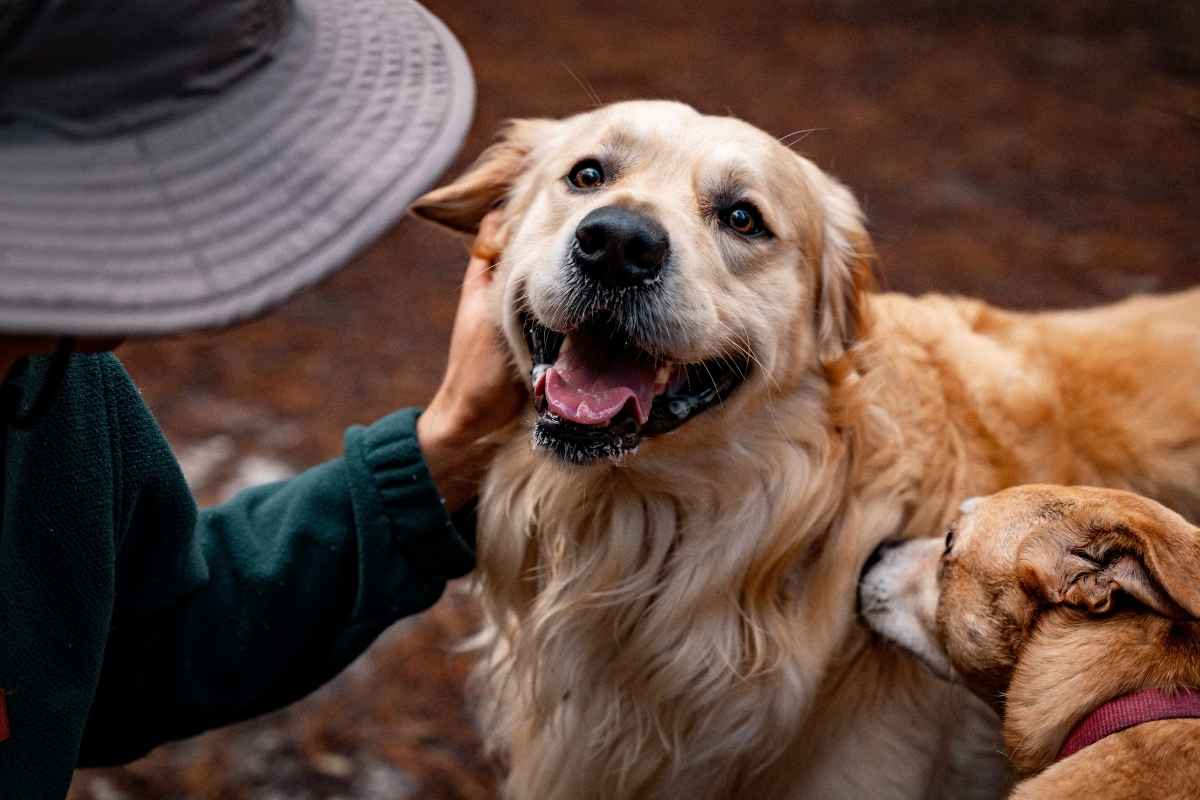
Trusted Pet Care & a Friendly Welcome for Every Pet