600 West 23rd St S, Independence, MO 64055

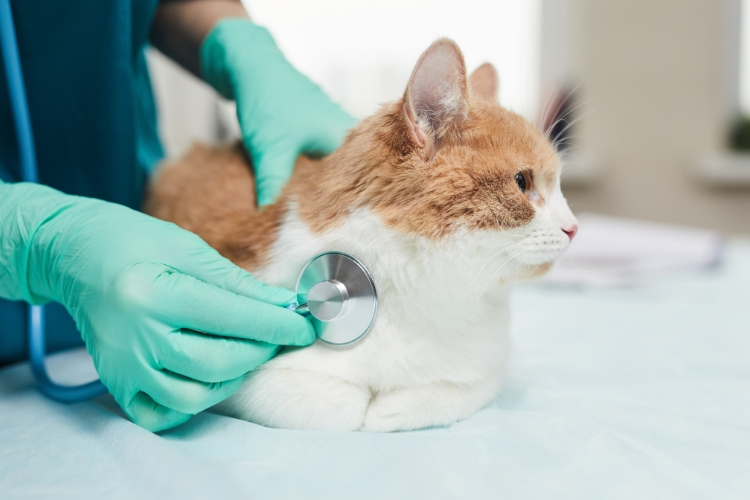
Pets bring joy, comfort, and companionship into our lives. As loving pet owners, we all want our furry companions to stay healthy, active, and happy for as many years as possible. Fortunately, regular veterinary care plays a major role in helping pets enjoy longer and healthier lives. From routine wellness visits to advanced diagnostics, veterinarians provide the medical support pets need at every stage of life.
A veterinarian does much more than treat illnesses. They help detect health concerns early, guide pet owners on nutrition and behavior, and create personalized wellness plans for dogs and cats. In addition, consistent veterinary care improves quality of life by reducing pain, preventing disease, and supporting long-term health.
For pet owners in Independence, having access to compassionate and experienced veterinary care can make a meaningful difference in a pet’s overall well-being.
The Importance of Routine Veterinary Visits
Routine veterinary visits are one of the most effective ways to protect your pet’s health. During these appointments, veterinarians evaluate your pet’s overall condition and identify subtle signs of illness before they become serious problems.
Preventing Disease Before It Starts
Vaccinations protect pets from dangerous diseases such as rabies, distemper, and parvovirus. Likewise, parasite prevention helps guard against fleas, ticks, heartworms, and intestinal parasites that can negatively affect a pet’s health.
In addition, veterinarians provide guidance on proper hygiene, dental care, exercise, and nutrition. These recommendations support strong immune systems and healthier lifestyles.
Many pet owners underestimate the value of pet preventative care. However, preventative services significantly reduce the risk of chronic illness and improve long-term wellness for both cats and dogs.
Nutrition Guidance for Better Health
Nutrition directly affects a pet’s energy levels, weight, organ function, and lifespan. Unfortunately, not all pet foods provide balanced nutrition for every animal.
Vets help pet owners choose appropriate diets based on breed, age, weight, activity level, and existing medical conditions. Puppies and kittens require different nutrients than senior pets, while pets with allergies or chronic conditions may need specialized diets.
Obesity is one of the most common health concerns among pets today. Excess weight increases the risk of arthritis, diabetes, heart disease, and reduced mobility.
Additionally, proper nutrition supports healthy skin, strong joints, and improved digestion. By feeding pets the right diet, owners can help prevent future medical complications and improve overall quality of life.
Dental Care Supports Overall Wellness
Dental health is often overlooked, yet it plays a critical role in a pet’s overall health. Plaque and tartar buildup can lead to gum disease, tooth loss, and painful infections.
More importantly, untreated dental disease may allow bacteria to enter the bloodstream and affect major organs such as the heart, liver, and kidneys.
Vets perform dental exams during routine checkups and recommend professional cleanings when necessary. They also educate pet owners on at-home dental care practices such as brushing and dental chews.
Keeping a pet’s teeth and gums healthy not only prevents discomfort but also contributes to a longer and healthier life.
Early Detection Saves Lives
One of the greatest benefits of veterinary medicine is the ability to identify diseases early. Many illnesses become easier to manage when diagnosed in their initial stages.
Senior pets especially benefit from regular diagnostic screenings. As pets age, they become more vulnerable to chronic illnesses. Routine monitoring helps vets adjust care plans and maintain comfort as pets grow older.
Behavioral Support Improves Quality of Life
Behavioral health is another important aspect of veterinary care. Anxiety, aggression, excessive barking, and destructive behaviors can negatively impact both pets and owners.
Vets help identify the root causes of behavioral concerns. Sometimes, these issues stem from stress, fear, pain, or underlying medical conditions.
In many cases, early behavioral intervention improves a pet’s emotional well-being and strengthens the bond between pets and families. Vets may recommend training techniques, environmental adjustments, or behavioral therapies to support positive habits.
A mentally healthy pet is often happier, more confident, and easier to care for at home.
Senior Pet Care Matters
As pets age, their healthcare needs change significantly. Older pets require closer monitoring and more specialized attention to maintain comfort and mobility.
Senior pets commonly experience arthritis, vision loss, hearing decline, and reduced energy levels. Veterinarians help manage these conditions through pain management strategies, dietary adjustments, and supportive therapies.
By providing consistent medical care and lifestyle recommendations, vets help senior pets enjoy a better quality of life for as long as possible.
Surgical Care Protects Pets
Accidents and unexpected illnesses can happen at any time. Veterinary teams are trained to respond quickly and provide lifesaving medical attention when emergencies occur.
In some situations, surgical procedures may become necessary. Vets perform surgeries ranging from spay and neuter procedures to tumor removals and orthopedic repairs.
Modern veterinary medicine uses advanced monitoring equipment, anesthesia protocols, and pain management techniques to improve surgical safety and recovery outcomes.
Building a Long-Term Partnership With Pet Owners
Clear communication is essential in veterinary medicine. Vets educate owners about symptoms to watch for, treatment options, medication schedules, and home care recommendations.
Additionally, they help owners make informed decisions about preventive services, diagnostics, and long-term health management.
The trust built between veterinarians, pets, and families often leads to better healthcare outcomes and stronger emotional connections.
Why Consistent Veterinary Care Makes a Difference
Pets rely on their owners to make healthcare decisions for them. Therefore, consistent veterinary care is one of the greatest gifts pet owners can provide.
Many pet owners now recognize the long-term value of pet preventative care because it supports both wellness and longevity.
Healthy pets tend to remain more active, social, and comfortable throughout their lives. As a result, they can continue sharing meaningful moments with their families for many years.
Veterinarians at Three Trails Animal Hospital play an essential role in helping pets live longer, healthier, and happier lives. Through preventive medicine, nutritional guidance, diagnostic screenings, dental care, behavioral support, and senior wellness services, our veterinary team provides comprehensive care that benefits pets at every stage of life.
If you’re in Independence and looking for a veterinarian near you, schedule an appointment with Three Trails Animal Hospital. Our veterinary team is dedicated to providing compassionate, personalized care that helps pets enjoy healthier lives and stronger relationships with the families who love them.
FAQs
1. How often should I take my pet to the veterinarian?
Most healthy adult pets should visit the veterinarian at least once a year. Puppies, kittens, senior pets, and pets with medical conditions may require more frequent visits.
2. Why are routine wellness exams important for pets?
Routine exams help veterinarians detect health issues early, monitor changes over time, and provide preventive care that supports long-term health.
3. What vaccinations do pets typically need?
Vaccination needs vary depending on the pet’s age, lifestyle, and species. Common vaccines include rabies, distemper, parvovirus, and feline leukemia vaccines.
4. How can veterinarians help overweight pets?
Veterinarians create customized nutrition and exercise plans to help pets lose weight safely and reduce the risk of obesity-related diseases.
5. When should senior pets have health screenings?
Senior pets should typically receive wellness exams and diagnostic screenings every six months to monitor age-related health changes.
6. What are the signs that my pet may need veterinary attention?
Changes in appetite, weight loss, vomiting, diarrhea, excessive scratching, low energy, limping, or unusual behavior may indicate the need for veterinary care.



Trusted Pet Care & a Friendly Welcome for Every Pet