600 West 23rd St S, Independence, MO 64055

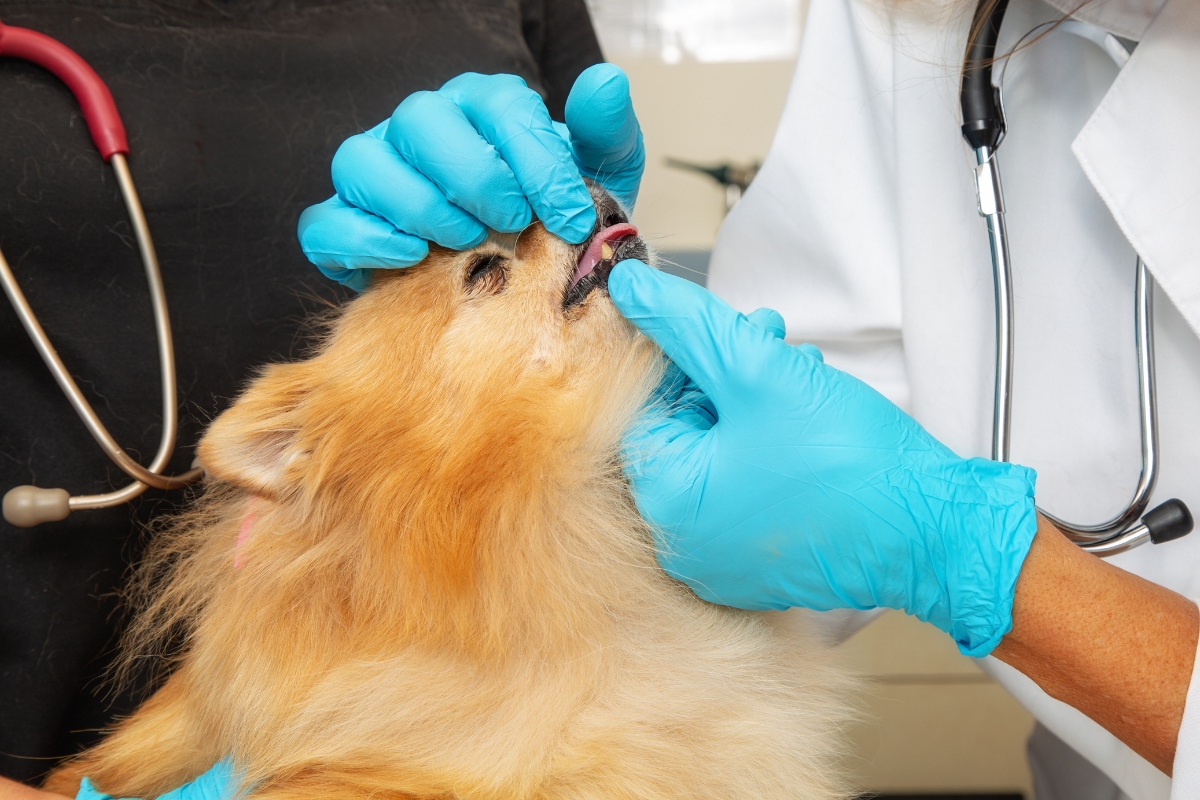
Pets often hide dental pain until it becomes difficult to ignore. Instead, oral discomfort may appear as a small change in everyday behavior. A dog that suddenly stops chewing a favorite toy, a cat that becomes withdrawn, or a pet that approaches the food bowl but hesitates to eat may be communicating discomfort.
This connection between oral health and behavior is easy for pet parents to miss. Dental disease can be painful even when a pet continues eating or otherwise appears normal. At Three Trails Animal Hospital, we encourage families in Independence and nearby locations to pay attention not only to their pet’s teeth and breath, but also to changes in routine, mood, eating, and social behavior.
Can Dental Problems Really Change a Pet’s Behavior?
Yes, oral pain can affect how a pet eats, plays, interacts, rests, and responds to touch.
Pets often adapt to discomfort rather than clearly showing it. Cornell University notes that dogs with periodontal disease may show behaviors such as taking longer to eat, dropping food, avoiding chew toys, becoming aggressive, or withdrawing from family members.
This means a behavior change that looks like aging, pickiness, or a change in personality could sometimes have a physical cause. Dental disease is one possibility worth considering.
Everyday Behavior Changes That Could Point to Dental Pain
Some dental warning signs are subtle. Rather than waiting for an obviously damaged tooth, watch for changes in how your pet handles normal activities.
Eating Habits Suddenly Change
Oral discomfort can make biting and chewing unpleasant. You may notice your pet:
- Chewing more slowly than usual
- Dropping kibble while eating
- Losing interest in hard food or treats
- Chewing primarily on one side
- Approaching food but hesitating to eat
- Eating less than usual
Changes in chewing, appetite, drooling, and dropping food are recognized signs that can accompany dental problems.
Favorite Toys Are Being Ignored
A dog that once loved hard chew toys may suddenly leave them untouched. A pet may also pick up a toy and quickly drop it.
Do not automatically assume your pet has simply lost interest. Pressure from chewing can aggravate an uncomfortable tooth or inflamed tissues. Avoidance can therefore become a way for the pet to protect a painful area.
Your Pet Becomes Withdrawn or Irritable
A normally social pet that begins hiding, spending more time alone, or resisting interaction deserves attention.
Pain can influence behavior. Some pets may become irritable or less tolerant of handling. Others may withdraw quietly. The AVMA specifically advises that behavioral changes associated with possible dental problems should prompt veterinary attention.
Touching the Face Suddenly Causes a Reaction
Does your pet pull away when you stroke the muzzle? Have they become resistant to having their face touched?
New sensitivity around the mouth or face can accompany oral pain. Some pets may also paw at or rub their mouths. Because a painful pet could bite unexpectedly, avoid forcing the mouth open for a home examination.
What Dental Problems Can Cause These Changes?
One common concern is periodontal disease. Plaque forms on teeth and can harden into tartar. Bacteria associated with these deposits contribute to gum inflammation. As periodontal disease progresses, tissues supporting the teeth can become damaged.
Behavior changes can also occur with broken or loose teeth and other painful oral conditions. This is why pet dentistry involves more than addressing bad breath or making teeth look cleaner. The goal is to identify disease and discomfort that may not be obvious from the outside.
If you notice an unexplained behavioral change accompanied by bad breath, drooling, difficulty chewing, or visible oral changes, visit our veterinary hospital for an examination rather than assuming it is simply a behavioral issue.
How Do Veterinarians Determine Whether Behavior Is Related to Dental Health?
Behavior alone cannot confirm dental disease. Appetite loss, hiding, irritability, and reduced activity can occur with many medical problems. A veterinary examination helps determine whether oral disease or another condition may be contributing.
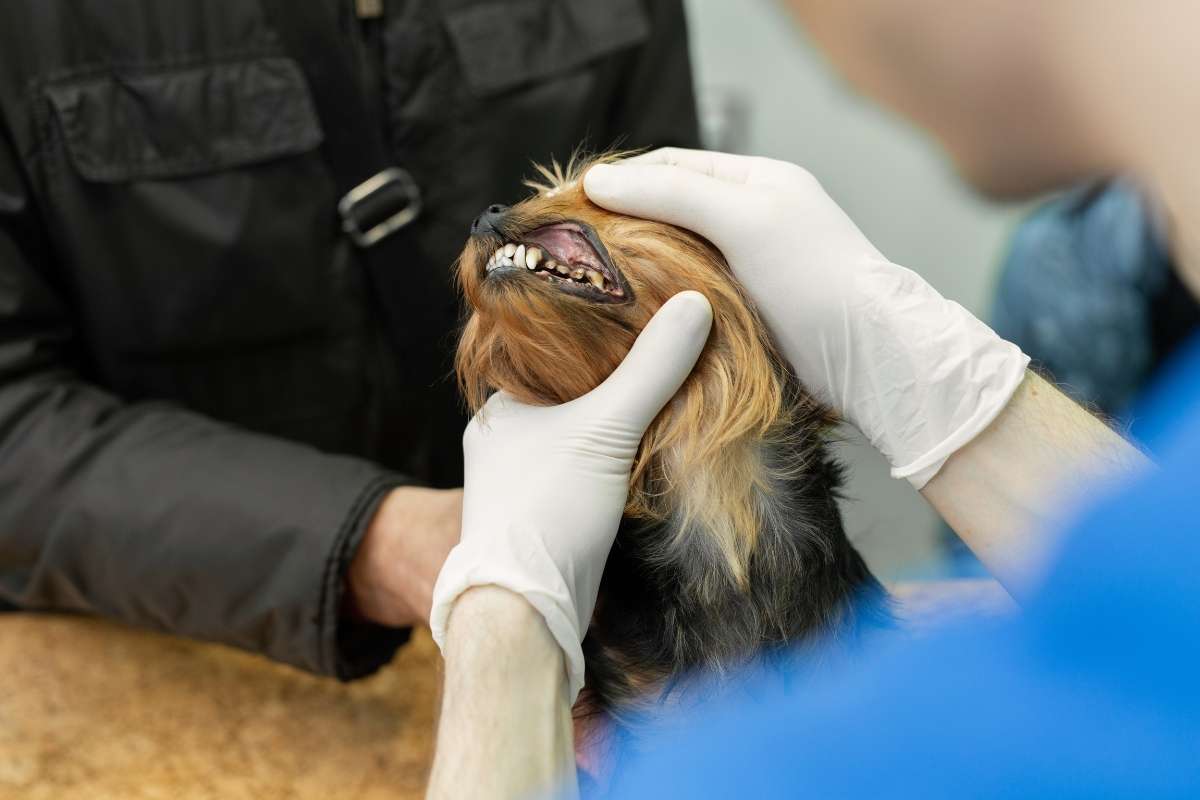
During a dental assessment, the veterinarian can examine the teeth and gums for issues such as plaque, tartar, decay, and gingivitis. Depending on the findings, professional cleaning or treatment of affected teeth may be recommended. The hospital’s dental services are performed under general anesthesia when a dental cleaning is needed, allowing a more thorough and controlled procedure.
This diagnostic step matters because treating a behavior without investigating a possible source of pain can leave the underlying problem unresolved.
When Should a Behavior Change Prompt a Dental Examination?
Schedule an examination if a new behavior persists, particularly if it is accompanied by bad breath, drooling, difficulty chewing, reduced appetite, pawing at the mouth, or facial sensitivity.
More urgent veterinary attention may be appropriate if your pet cannot eat, has significant bleeding from the mouth, develops noticeable facial swelling, appears severely in pain, or experiences a sudden, major decline. These signs should not be monitored at home for an extended period.
Routine pet dentistry also has a preventive role. Regular oral assessments can identify concerns before behavioral changes become pronounced. The practice recommends annual dental assessments, which may be completed as part of a routine wellness examination.
Protect Their Smile and Pay Attention to What Their Behavior Is Saying
Your pet’s daily habits can provide valuable clues about how they feel. Suddenly avoiding toys, eating differently, hiding, resisting facial touch, or becoming unusually irritable should not automatically be dismissed as stubbornness or aging.
When behavior changes without an obvious explanation, the mouth deserves attention. Early veterinary evaluation can help identify whether dental disease, oral pain, or another health problem is responsible.
If you are concerned about your pet’s teeth or have noticed unexplained changes in their routine, contact Three Trails Animal Hospital in Independence to schedule an oral health assessment. Professional pet dentistry can uncover problems that are difficult to recognize at home and help you make informed decisions about your pet’s care.
Frequently Asked Questions
Q1. Can a toothache make my dog act differently?
Ans. Yes. Oral pain may cause a dog to become withdrawn, irritable, reluctant to play, or resistant to facial handling. Because these behaviors can have other causes, a veterinary examination is appropriate when the change is new or persistent.
Q2. Why is my pet hungry but having trouble eating?
Ans. Dental pain can make chewing uncomfortable even when appetite remains. A pet may approach food, chew slowly, drop pieces, or prefer softer foods. These signs warrant an oral examination, particularly when they appear suddenly.
Q3. Can dental disease make a cat hide more often?
Ans. Pain from an oral problem could contribute to withdrawal or hiding. Cats can be subtle when uncomfortable, so changes in social behavior, eating, grooming, or activity should be taken seriously and discussed with a veterinarian.
Q4. Does bad breath always mean my pet has dental disease?
Not always, but persistent unpleasant breath can be associated with oral disease and should not be dismissed as normal. A veterinary examination can help identify dental problems or other possible causes.
Q5. How often should my pet have a dental examination?
Ans. The AVMA recommends having a pet’s teeth and gums checked at least annually. Individual pets may require different schedules depending on age, oral health, medical history, and findings from veterinary examinations.
Q6. Can brushing my pet’s teeth prevent every dental problem?
Ans. No. Regular home care can support oral health, but it cannot guarantee that dental disease will not develop. Veterinary examinations remain important because some problems occur below the gumline or are difficult for pet parents to identify at home.

Trusted Pet Care & a Friendly Welcome for Every Pet