600 West 23rd St S, Independence, MO 64055


Bringing a rescue cat home is an exciting experience, but your new companion may need time to adjust to unfamiliar surroundings. New people, sounds, smells, pets, and daily routines can all affect how comfortable a cat feels. During this adjustment period, dental health may not seem like an immediate priority. However, establishing good oral hygiene habits can support your cat’s comfort and overall health.
A rescue cat may also arrive with limited information about its previous dental history. You may not know when its teeth were last examined or whether it has experienced dental problems before. For this reason, introducing cat dental care gradually can help your cat become comfortable with mouth handling while allowing you to identify potential oral health concerns early.
Why Dental Care Matters for Rescue Cats
Cats can develop plaque and tartar even when they appear healthy. Plaque contains bacteria that can irritate the gums. If plaque remains on the teeth, it can harden into tartar and contribute to periodontal disease.
Cats are also skilled at hiding discomfort. Therefore, dental disease may progress before an owner notices obvious symptoms.
Watch for common warning signs such as:
- Persistent bad breath
- Red or swollen gums
- Bleeding from the gums
- Excessive drooling
- Difficulty chewing
- Dropping food
- Reduced appetite
- Pawing at the mouth
- Loose or damaged teeth
- Changes in grooming or behavior
If you notice these signs, arrange a veterinary examination rather than attempting to treat the condition yourself.
Start With a Dental Examination
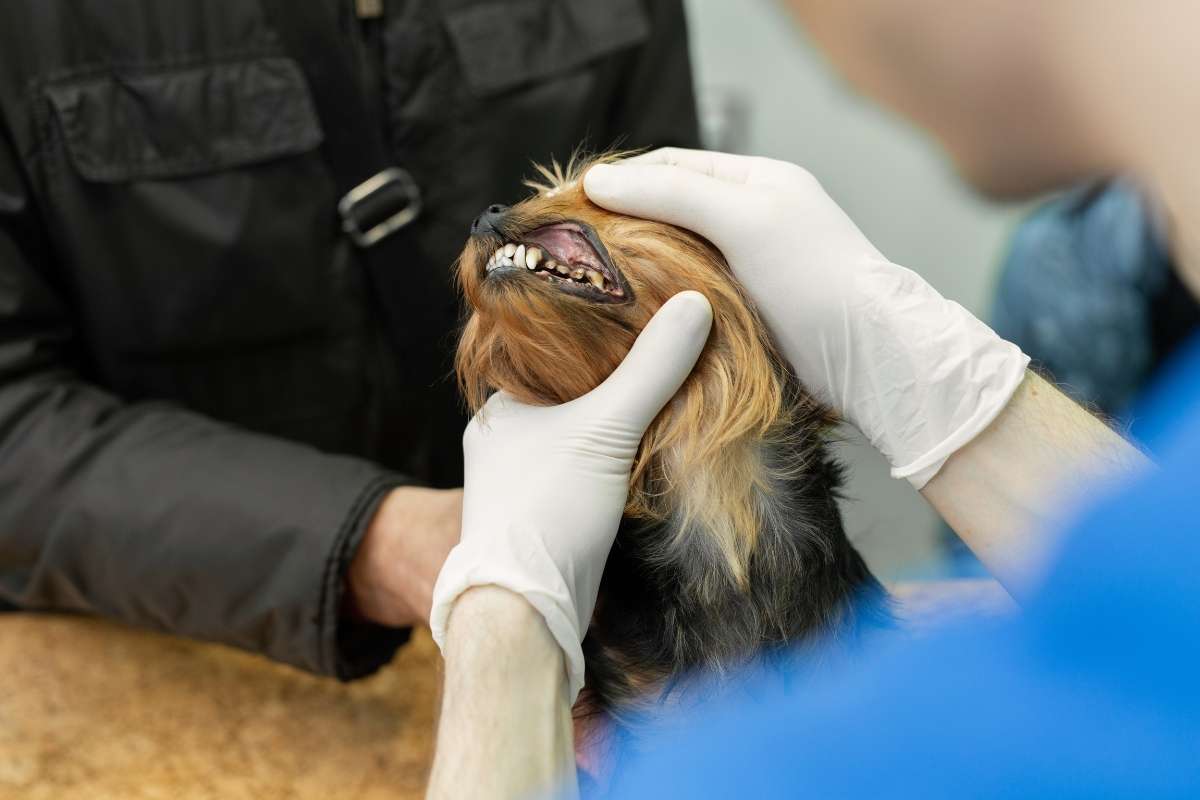
A veterinary examination should be an important part of your newly adopted cat’s health routine. This is particularly useful when previous medical records are incomplete or unavailable.
A veterinarian can examine your cat’s teeth, gums, and mouth for tartar, inflammation, damaged teeth, or other concerns. If significant dental disease is present, professional treatment may be necessary before beginning a home brushing routine.
Remember that brushing helps control plaque, but it cannot remove established tartar or treat disease below the gumline. Depending on your cat’s condition, professional cleaning and dental X-rays may be recommended.
Give Your Rescue Cat Time to Adjust
Avoid starting toothbrushing immediately after bringing your cat home. First, give your new companion time to become familiar with its environment.
Create a quiet area where your cat can rest and feel secure. Keep feeding and play schedules predictable, and allow your cat to approach you voluntarily.
Once your cat begins displaying relaxed behavior and accepts gentle handling, start introducing dental care one step at a time.
Step 1: Introduce Gentle Face Handling
Before introducing toothpaste or a toothbrush, help your cat become comfortable with having its face touched.
During a calm interaction, gently stroke your cat’s cheeks, chin, and the sides of its face. Keep each session brief and stop before your cat becomes uncomfortable.
As your cat becomes more relaxed, gently lift its lip for a second or two to expose the teeth.
Never force your cat’s mouth open. If your cat pulls away, becomes tense, swats, hisses, or attempts to escape, stop and try again later.
The goal is to create familiarity and trust rather than complete a full dental routine immediately.
Step 2: Introduce Cat-Safe Toothpaste
Once your cat accepts gentle facial handling, introduce toothpaste specifically formulated for cats.
Do not use human toothpaste. Cats swallow toothpaste rather than rinsing and spitting it out, and some ingredients in human dental products can be unsafe when swallowed by pets.
Place a very small amount of cat-safe toothpaste on your fingertip and let your cat smell or taste it.
Repeat this step until your cat becomes familiar with the flavor and texture.
Step 3: Practice Finger Brushing
After your cat accepts the toothpaste, gently rub your finger along the outside surfaces of a few teeth.
Focus near the gumline because plaque commonly accumulates in this area. Keep the movement gentle and limit the first sessions to a few seconds.
You do not need to clean every tooth immediately. Instead, gradually increase the number of teeth you handle as your cat becomes more comfortable.
Reward calm cooperation after each session.
Step 4: Introduce a Cat Toothbrush
When your cat tolerates finger brushing, introduce a soft toothbrush designed specifically for cats.
Let your cat inspect and smell the brush before using it. Then place a small amount of cat-safe toothpaste on the bristles.
Gently touch the brush against the outside surfaces of the teeth. Once your cat accepts this, introduce small, gentle brushing movements.
Focus on the outer surfaces of the teeth, particularly around the gumline. Keep early sessions short and positive.
How Often Should You Brush?
Daily brushing is generally considered the ideal routine for controlling plaque. However, newly adopted cats may need time to reach this frequency.
Start with short sessions and gradually increase how often you brush. If your cat initially accepts brushing only a few times each week, continue building the habit instead of forcing longer sessions.
A calm and consistent routine is more beneficial than rushing through the process.
What If Your Cat Refuses Toothbrushing?
Not every cat will readily accept a toothbrush. If your cat becomes visibly distressed, stop and return to the previous step it tolerated comfortably.
Your veterinarian may recommend alternative oral hygiene products, including dental wipes, gels, treats, water additives, or specially formulated dental diets.
These options may complement brushing, but they cannot replace professional treatment when dental disease is already present.
Make Dental Care Part of the Daily Routine
Choose a consistent time when your cat is relaxed. Keep the toothbrush and toothpaste in an accessible location so the process becomes predictable.
Positive reinforcement can also make dental care easier. Offer gentle praise, affection, or an appropriate reward after successful sessions.
Never punish your cat for resisting. Instead, shorten the session and try again when your cat is calm.
Continue monitoring your cat’s appetite, grooming habits, behavior, and mouth as it ages. Changes in eating or grooming can sometimes indicate oral discomfort.
Local Support for Rescue Cat Owners
Newly adopted cats can benefit from individualized preventive care, particularly when their previous health history is incomplete. Three Trails Animal Hospital can help assess your cat’s oral health and provide guidance for establishing a practical home dental routine.
A professional examination can also determine whether your cat needs dental treatment before regular brushing begins..
Starting a dental routine with a newly adopted rescue cat requires patience and consistency. Give your cat time to settle in, build trust through gentle handling, and introduce each part of the routine gradually.
Regular brushing can help control plaque, while professional examinations can identify dental problems that may not be visible at home. With a calm approach and positive reinforcement, dental care can become a manageable part of your cat’s long-term wellness routine.
Schedule your appointment with Three Trails Animal Hospital to discuss your rescue cat’s dental health and establish an appropriate preventive care routine.
Frequently Asked Questions
Q1. Should I brush my rescue cat’s teeth immediately after adoption?
Ans: Give your cat time to adjust to its new surroundings first. Once it accepts gentle facial handling, gradually introduce toothpaste, finger brushing, and a toothbrush.
Q2. How can I make toothbrushing less stressful?
Ans: Keep sessions short, choose a quiet time, introduce each step gradually, and reward calm behavior. Never force or punish your cat during dental care.
Q3. Can I use human toothpaste for my cat?
Ans: No. Use toothpaste specifically formulated for cats. Some ingredients in human toothpaste can be unsafe when swallowed by pets.
Q4. What should I do if my rescue cat already has tartar?
Ans: Do not scrape tartar from your cat’s teeth at home. A veterinarian should examine your cat and determine whether professional dental cleaning or other treatment is necessary.
Q5. How often should I brush my cat’s teeth?
Ans: Daily brushing is generally ideal for plaque control. However, gradually work toward daily brushing if your cat is unfamiliar with the routine.
Q6. What are signs of dental disease in cats?
Ans: Bad breath, red or bleeding gums, drooling, difficulty eating, dropping food, pawing at the mouth, loose teeth, and changes in behavior can indicate an oral health problem.

Trusted Pet Care & a Friendly Welcome for Every Pet